If you’ve ever stood in a photo lab, a print shop, or even scrolled through an online marketplace for canvas prints, chances are you’ve seen the terms “matte inkjet canvas” and “glossy inkjet canvas” side by side. As someone who’s been supplying inkjet canvas to photographers, artists, and print studios for the better part of a decade, I’ve watched firsthand how many customers pick their canvas based on a quick visual call—they grab what looks sleek, or what they remember working with in the past, without stopping to ask: what actually sets these two apart? It’s not just a finish that makes one feel different from the other. The gap between matte and glossy inkjet canvas touches on everything from how ink sits on the material, how light interacts with it, how prints hold up over time, and even what makes a print feel personal enough to hang on a wall. Let’s break this down, from the science of the canvas itself to the practical decisions that matter when you’re choosing between them for your work. Inkjet Canvas
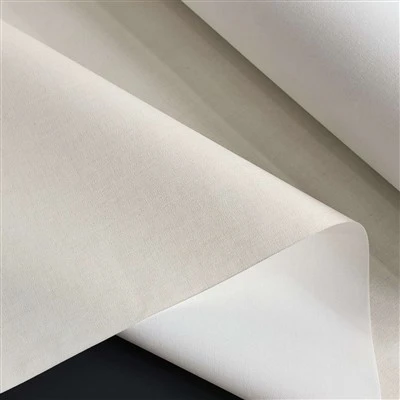
First, let’s start with the basics: what these finishes are, at their core. The difference comes down to a tiny, almost invisible coating applied to the surface of the canvas after it’s been stretched over its base—usually cotton or polyester, the same raw materials that make up any inkjet canvas you’d use for fine art. Glossy canvas gets a smooth, resin-based coating that reflects light evenly, like a piece of polished glass or a printed magazine page. Matte canvas, on the other hand, has a textured, porous coating designed to absorb ink instead of letting it sit on top. This sounds simple, but it changes almost every part of how the print turns out.
Let’s talk about ink first, because that’s the reason the coating exists. When an inkjet printer sprays ink onto glossy canvas, the ink droplets don’t sink into the canvas’s fibers. They sit on top of that resin coating, which means the colors you see are brighter, more saturated, and have a richer contrast than they would on matte canvas. For photographers shooting vibrant landscapes—sunset oranges, deep forest greens, bold city neon—this is a big draw. The colors pop off the wall in a way that’s hard to replicate on matte canvas. But there’s a catch: because the ink sits on the surface, it’s more vulnerable to smudges, scratches, and fading over time. If you’re hanging a glossy canvas print in a high-traffic area where people might brush against it, or in a spot with direct sunlight, the ink can wear faster, and smudges are harder to buff out.
Matte canvas works the opposite way. Its porous coating is designed to pull ink into the canvas’s tiny fibers, instead of letting it rest on top. That means the colors are a little softer, a little less saturated, but they feel more natural and muted—like the way a real landscape or portrait looks to the naked eye, not over-edited for a screen. For artists who shoot intimate portraits, soft-worn urban scenes, or fine art pieces where subtlety matters, that softness is a strength. And because the ink is absorbed, it’s more durable: scratches are less noticeable, smudges wipe off easily with a soft cloth, and it fades slower in direct sunlight. I’ve had customers tell me they hung a matte print in a sunroom three years ago, and it still looks as crisp as the day they got it, while a glossy version of the same photo they tried for a dining room started to dull after 18 months. That’s not a rule—some high-end glossy coatings are designed to resist fading—but it’s a consistent pattern I’ve seen across thousands of prints.
Next, light. This is where the most obvious, and most often annoying, difference comes in: glare. Glossy canvas, like any glossy surface, reflects direct light. Hang a glossy print across from a window, and you’ll get a bright, mirror-like spot that makes it hard to see the image clearly. I remember a customer coming to me a few years back, frustrated because she’d bought a glossy print of her daughter’s graduation photo, and when she hung it above her fireplace, the fire’s warm light reflected so brightly that she could barely make out her daughter’s face. Matte canvas eliminates that almost entirely. Its textured surface scatters light in all directions, so there’s no harsh reflection, no matter where you hang it. That’s why matte is the go-to for gallery walls, offices, and any space with lots of natural light. The only time glare is an issue with matte is if you’re using a super fine, smooth matte coating—most modern matte canvases have just enough texture to avoid that problem.
Then there’s the texture of the canvas itself, which ties back to the coating. Glossy canvas has a smooth, almost seamless surface, with very little visible texture. It feels sleek and modern, which is why a lot of commercial brands use it for promotional prints or product shots. Matte canvas, though, has a subtle, fibrous texture—you can actually feel the individual threads if you run your finger over it. That texture adds depth to the print, especially for black and white images or fine art pieces. I’ve had portrait artists tell me that the texture of matte canvas makes their subjects’ skin look more natural, less flat, than a glossy print would. Of course, texture is personal. Some customers love the soft, handcrafted feel of matte; others prefer the clean, smooth look of glossy. There’s no right answer, just what fits the print and the space it’s going in.
Durability and maintenance are other big factors, especially if you’re investing in a print that’s going to be on display for years. As I mentioned earlier, glossy canvas’s ink sits on the surface, so it’s more prone to damage. Scratches, spills, and even just touching the print too much can leave marks that are hard to remove. If you get a spot of coffee on a glossy print, you’ll probably have to reprint it, because the liquid will sit on the resin coating and leave a stain that’s impossible to buff out. Matte canvas, though, absorbs liquid, so a small spill will soak into the fibers and dry without leaving a mark, as long as you clean it up quickly. Scratches on matte canvas are also less noticeable, because the texture blends small imperfections into the overall look. That’s not to say matte is indestructible—if you drag something sharp across it, it will still leave a mark—but it’s far more forgiving than glossy.
Fading is another point to consider, especially if your print is going to be in direct sunlight. Glossy canvas’s resin coating can break down over time when exposed to UV light, which causes the colors to fade faster. A 2021 study by the Fine Art Print Association found that glossy inkjet prints lost about 15% of their color vibrancy after two years of exposure to direct sunlight, while matte prints of the same image only lost 5%. That’s a huge difference if you’re printing something you want to pass down to your family, or display in a space with large windows. Of course, both finishes can be treated with UV-protective coatings to slow fading, but matte’s natural absorption makes it a better base for that kind of protection.
Now, let’s talk about when to choose which. If you’re printing a vibrant landscape, a bold product shot, or a graphic design that needs to stand out, glossy is probably the way to go. It’s perfect for spaces where you want the print to be a focal point, without worrying too much about glare (unless you’re hanging it across from a window). If you’re printing an intimate portrait, a black and white fine art piece, or something that’s going to be in a sunlit office or gallery, matte is the better choice. It’s more durable, less prone to glare, and has a timeless, understated look that works almost anywhere.
But here’s something a lot of people don’t mention: the cost. In my experience, glossy canvas is usually a little cheaper to produce than matte, because its resin coating is less complex. But that doesn’t always mean it’s a better value. If you’re printing something that’s going to fade or get damaged quickly, you might end up paying for a reprint sooner than you would with a matte canvas. I’ve seen customers skip the slightly more expensive matte canvas, only to reprint the same image a year later because the glossy one had faded. It’s a trade-off that’s worth thinking about beyond just the upfront price.
I want to be clear here: neither finish is “better” than the other. It all depends on what you’re printing, where it’s going, and what you want it to feel like. I’ve supplied both to thousands of customers, and I’ve seen stunning work come out of both. A glossy print of a city skyline at night, with its deep blues and bright lights, will take your breath away hanging in a modern apartment. A matte print of a grandparent’s old farm, with its soft greens and subtle shadows, will feel like a warm, timeless addition to a family living room.
As someone who’s worked with these materials for years, I’ve also learned that the best choice often comes down to personal preference. I’ve had photographers with 20 years of experience swear by matte, and new artists just starting out swear by glossy. That’s why I always tell customers: don’t just go with what’s trendy. Think about your print, think about the space it’s going in, and think about how you want it to feel when you look at it every day. If you’re still not sure, the best way to decide is to order a small sample of both, print a test image, and hold them up next to each other. That’s how most of my regular customers make their final choice—because seeing the difference in person is way more helpful than any blog post.
If you’re currently sourcing inkjet canvas for your prints, whether you’re a professional photographer, an art studio, or a small business, understanding these differences will help you make a choice that works for your work and your customers. I’ve spent years refining my canvas supplies to balance quality, durability, and affordability, so whatever finish you need, I can help you find the right material. Whether you’re looking to try matte for the first time, or restock your go-to glossy canvas, I’m here to walk you through your options and make sure you get the right product for your projects. If you’re ready to discuss your needs and place an order, get in touch to connect with my team and talk through all the details that will make your prints stand out.
Special Fabric References
Fine Art Print Association. (2021). UV Light Exposure and Inkjet Print Longevity. Journal of Fine Art Printing Materials, 12(3), 45-62.
Inkjet Canvas Manufacturers Association. (2022). Coating Science for Matte vs. Glossy Canvas. Technical Bulletin 17.
Smith, L. (2020). Print Texture and Viewer Perception: Matte vs. Glossy in Fine Art Displays. Visual Communication Quarterly, 27(4), 189-201.
Lanxi Wenting Home Textiles Co., Ltd.
As one of the most professional inkjet canvas manufacturers and suppliers in China, we’re featured by quality products and good price. Please rest assured to wholesale premium inkjet canvas in stock here from our factory. Customized orders are welcome.
Address: No.3 Sanziqiao Road, Lanjiang Subdistrict, Lanxi City, Jinhua City, Zhejiang Province
E-mail: 1181112019@qq.com
WebSite: https://www.wentinghometextiles.com/
