If you’ve ever shopped around for granite blocks—whether for a countertop, garden wall, or outdoor patio—you’ve probably wondered: are granite blocks waterproof? As someone who’s been in the granite block supply game for over a decade, I get this question all the time. It’s not a dumb one, either. Granite is super popular for exterior projects, so people want to know if it’ll hold up when it rains, snows, or sits in damp soil. Let me break this down straight, no fancy jargon, just what I’ve learned hauling and selling these stones year after year. Granite Blocks
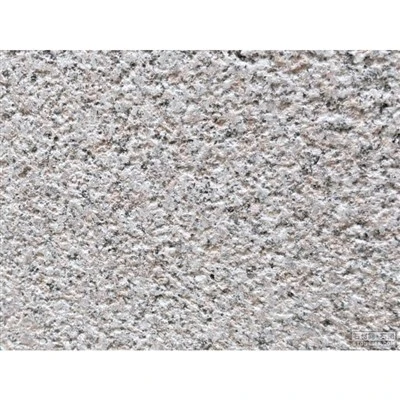
First, let’s get one thing clear: granite is a natural stone, not a plastic tarp or a rubber mat. That means it has tiny, invisible pores—like a sponge, but way smaller. Some people think “waterproof” means zero water ever gets in, and technically, that’s hard to pull off with any natural stone. But here’s the thing: granite’s pore structure is way tighter than, say, sandstone or limestone. Those rocks drink water like a kid at a lemonade stand, but granite? It’s pretty resistant to moisture—most of the time.
I’ve seen way too many DIYers mess up projects because they assumed all granite is 100% waterproof. Let me tell you a quick story: a customer came to me a couple years back, bought 20 of our 12×12 inch granite blocks for a raised garden bed. He stacked ’em up, filled the bed with soil, and then waited for rain. A week later, he called me panicking—said the bottom few blocks had dark spots and felt heavier than the top ones. Turns out, he didn’t seal the tops of the blocks where the soil touched them. The pores there did let in water, and it got trapped. But fix that? Super easy.
So what makes granite actually act waterproof? It’s two main factors: the type of granite and how it’s processed. The granite we supply comes from quarries in places like Brazil and parts of the U.S.—we pick the densest stuff, the kind that’s formed under tons of pressure deep underground. That high pressure squashes all the little gaps tight, so the pores are super small. You can test this yourself: take a scrap of granite, drop a little water on it, and watch. It should bead up, not soak in right away. If it does soak in fast, that’s a lower-quality granite, probably from a quarry where the stone wasn’t compressed as much.
Processing matters too. When we cut the blocks into the sizes our customers need, we leave the surfaces as either polished, honed, or raw (called “as-cut” from the saw). Polished granite has a really smooth, dense surface that almost no water can get through—great for countertops or table tops. Honed is a little matte, still dense, but maybe a tiny bit more porous than polished. Raw as-cut blocks? Those have rough, sawn edges and faces—more pores there, because the saw blades don’t close up every little gap. That’s why if you use as-cut blocks for a wall, you want to seal them, especially on the front faces.
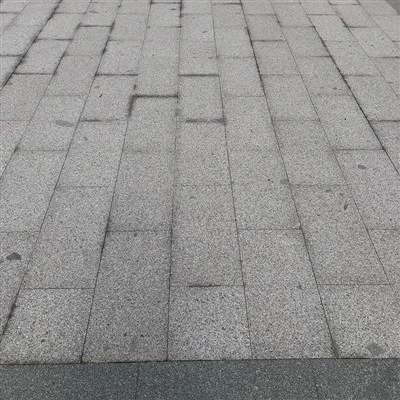
Now, let’s talk about the myths. I’ve heard people say “granite is totally waterproof” and others say “it’ll rot if it gets wet.” Neither’s right. Water won’t rot granite, that’s for wood. What can happen is freeze-thaw damage. If water gets into a pore in the granite and then freezes, it expands. Over time, that can crack the stone. But wait—granite is hard, right? So only if the water can actually get in. If you seal the granite, you block the pores, so there’s no water to freeze. That’s why all our outdoor projects—patio pavers, foundation blocks, garden walls—we recommend a penetrating sealer, not just a topical one. Topical sealers look like wax, they peel off after a couple years. Penetrating sealers go into the pores, so they don’t wear off as fast.
Another myth: “if it’s wet, it’s ruined.” I’ve had blocks sit in a damp warehouse for weeks, and once they dry, they’re exactly the same. No stains, no damage. The dark spots that people see when granite is wet? That’s just moisture in the pores scattering light, like how a wet shirt looks darker. It dries out, the color goes back. Stains are a different story—oil, red wine, maybe fertilizer, those can leave marks if you don’t clean them, but that’s not the same as being “waterproof.”
So when is granite not waterproof? Let’s be real. If you leave raw granite blocks sitting on the ground without any protection, over time, rain will seep in, and if it freezes, you might get small cracks. If you use low-grade granite that has a lot of loose grains, water can wash those grains out, making the stone weak. That’s why we don’t supply that kind of granite—we only work with dense, high-quality stone that’s built to last.
Wait, let’s circle back to my customer with the garden bed. He didn’t seal the inner sides of the blocks where they touched soil, so moisture got trapped there. But he came back a year later, bought a sealer from us, sealed the inner faces, and added a drainage layer at the bottom of the bed. No more dark spots, the blocks look brand new. That’s the thing with granite: it’s not set-it-and-forget-it, but with a little care, it’s way more waterproof than other natural stones.
Here’s what you should actually care about, whether you’re a builder, a homeowner, or a landscaper:
- Check the density: Our granite blocks have a density of around 160-170 lbs per cubic foot, which is way higher than sandstone’s 140 lbs. Higher density = fewer pores = more water resistance.
- Seal it for outdoor use: Even the best granite blocks benefit from a penetrating sealer, especially on sawn edges or any surfaces that will touch soil or standing water.
- Avoid standing water: Don’t let water pool on granite for months. For patios, make sure the surface slopes slightly so water runs off. For garden walls, add a weep hole every few blocks so trapped water can escape.
I get why people are confused. The term “waterproof” is thrown around for everything from phone cases to jeans, but natural stone doesn’t fit that perfect definition. But if you’re using granite blocks for a project that’s going to be outside, or even just in a damp basement, our products are as close to waterproof as you can get for a natural stone. We’ve been supplying granite blocks to residential and commercial projects for years, and I can’t tell you how many times someone comes back saying their granite wall is still standing after 10+ years in rain and snow.
Look, I don’t want to oversell it. No stone is 100% waterproof forever. Ultraviolet light from the sun can break down sealers over time, so you’ll need to re-seal every 3-5 years for outdoor projects. But that’s a tiny amount of work compared to the benefits of granite—it’s durable, looks good, and is way more water-resistant than most other materials.
If you’re thinking about ordering granite blocks, whether for a small backyard project or a big commercial build, hit us up to chat through what you need. We can help you pick the right type of granite, give you tips on sealing, and make sure you get exactly the blocks that’ll work for your space. Don’t worry, no hard sell—just years of experience helping people make the right choice for their projects.
Granite Blocks References
- American Society for Testing and Materials (ASTM). Standard Test Method for Water Absorption of Dimension Stone. ASTM C97-17, 2017.
- Natural Stone Institute. “Understanding Water Resistance in Natural Stone.” 2022.
- Quarry Data Report: Brazilian Granite Densities and Porosity. International Stone Industry Association (ISIA), 2021.
- Freeze-Thaw Durability of Natural Stone. University of California Agriculture and Natural Resources, 2020.
Suichang Yongheng Stone Industry Co., Ltd.
With abundant experience, we are one of the most professional granite blocks manufacturers and suppliers in China. We warmly welcome you to wholesale premium granite blocks in stock here and get quotation from our factory. We also accept customized orders.
Address: Liantou Stone Industrial Park, Yunfeng Street, Suichang County, Lishui City, Zhejiang Province
E-mail: m13567645214@163.com
WebSite: https://www.yonghengstone.com/
