If you’ve ever had to remove a stubborn bearing, gear, or pulley from a shaft, you know a hydraulic puller isn’t just a “nice-to-have” tool—it’s a time-saver, a lifesaver even. But here’s the thing I get asked every single day by guys in manufacturing, construction, and maintenance shops: “What’s the price of a hydraulic puller?” And the answer isn’t a flat number. It’s way more nuanced than just a sticker shock on Amazon or a catalog. As a supplier who’s worked with hundreds of shops, from tiny garage setups to big production lines, I’m gonna break this down like we’re chatting over a coffee (no stuffy industry jargon, promise) so you know exactly what you’re paying for, and why. Hydraulic Pullers

First, let’s get one misconception out the way: you can grab a cheap hydraulic puller for under $100, right? But that $99 puller from a random online shop? It’ll work for a tiny, super light pulley maybe once. For anything heavy, like a 500-pound gear on a steel mill shaft? That cheap thing will bend, slip, or worse—cause an injury. I’ve seen guys waste $150 on a “budget” puller that didn’t even last one job, then had to drop $800 on a reliable one the next week. So yeah, price ties directly to what you’re using the puller for, and that’s the first big factor: puller type and capacity.
Hydraulic pullers come in two main flavors, and they’re priced totally different. The small, portable ones—usually 2-ton to 10-ton capacity—are the ones for smaller jobs, like automotive work, HVAC, or small pump shafts. These don’t have a big hydraulic pump built in; most are manual, meaning you turn a screw to build pressure, which keeps them lighter and cheaper. A basic 5-ton portable puller might run you $150 to $300. That’s not chump change for a small shop, but it’s worth it if you use it once a month.
Then there are the heavy-duty ones, the workhorses—15-ton up to 50-ton, and even higher for industrial jobs like mining or power plants. These have either a built-in hydraulic ram (so you don’t have to press manually) or connect to a separate hydraulic pump, which means they can move way heavier stuff. A 20-ton industrial puller is gonna set you back $400 to $1,200, and a 50-ton model? $1,500 to $3,500. Wait, why such a big range? That’s the second big factor: build quality and features.
Let’s talk about build quality first. A cheap puller’s frame is thin steel that’ll bend if you put too much pressure on it. A good one? Thick, heat-treated steel, so it can take the force without warping. The jaws on a cheap puller might be basic, with no way to adjust their spread, so they slip off the part you’re pulling. A quality puller has adjustable, self-locking jaws that grip tight, even on irregularly shaped parts. I’ve seen a $200 cheap puller’s jaw snap right off mid-job; a $500 quality one? I’ve had customers use them for 5+ years on hard jobs and they’re still going strong. That’s a big difference in value, even if the upfront cost is higher.
Features also drive price. Some pullers come with interchangeable jaws—so you can pull outer parts (like a pulley on the outside of a shaft) or inner parts (like a bearing that’s pressed into a housing). Others have a reversible ram, which lets you pull parts from either side, super handy for tight spaces. Then there are electric or air-powered hydraulic pullers—no manual pumping, so less work, less strain on the user. Those are pricier, obviously: an electric 10-ton puller with built-in pump can run $500 to $1,800, way more than a manual 10-ton. Add things like a carrying case, pressure gauge, or a warranty, and that can add $100 to $500 to the price, but a warranty is worth its weight in gold—if something breaks in the first year, you don’t have to pay for a replacement.
Another thing that affects price: where you’re buying it, and who’s selling it. Online marketplaces? You’ll see the lowest prices, but like I said, that can be a trap. Big box hardware stores mark them up because they have overhead and have to carry inventory in stores. Specialty industrial suppliers (that’s us, fyi) might have slightly higher prices than random brands, but we give you stuff that’s tested, and we’re here to help if you have questions or issues. Wait, but there’s also rental vs. buying. If you only need a hydraulic puller once a year, renting one might cost $50 to $150 a day, which is cheaper than buying. But if you use it weekly or even monthly, buying is way cheaper in the long run. I had a customer last year who rented a 30-ton puller three times in six months, spent $450, then bought a 25-ton from us for $600, and now he’s got a tool he can use whenever he needs. It’s not just about the upfront cost; it’s about total cost of ownership.
Wait, let’s get specific. Let’s break down real numbers so it’s not just vague. For a weekend mechanic working on cars or small engines: a good 5-ton manual puller is $180 to $250. That’s enough for most pulleys, small bearings, and even brake drums. If you’re a small maintenance shop that works on pumps and small motors, a 10-ton manual puller is $250 to $400, and that’ll cover most of your jobs. For a mid-sized manufacturer that does production line repairs, a 20-ton electric puller is $800 to $1,500—you can pull gears and bearings up to 1,000 pounds, no problem. For industrial clients, like mining or power generation, a 50-ton heavy-duty puller with a separate pump and extra jaws is $2,000 to $3,200. Yeah, that’s a big number, but those jobs need tools that don’t fail, because a breakdown can cost thousands in downtime.
I should also mention the hidden costs that people forget. If you buy a cheap puller that breaks, you have to waste time and money on a replacement—time that could be spent on your actual work. I had a guy call me last month, super frustrated, saying his $120 puller broke while trying to remove a 200-pound gear, so he had to rent a 25-ton for $120 a day, plus paid his guy to fix the mess from the broken puller, and ended up spending way more than if he’d just bought a quality one in the first place. Then there’s maintenance: a quality puller just needs a little oil on the jaws every few months, but a cheap one might rust or seize up after a few uses, so you have to replace parts way sooner.
Now, is there a sweet spot? For most people who use a hydraulic puller regularly—say, once a week to once a month—the sweet spot is between $300 and $800. That’s where you get a 10 to 20-ton puller, quality build, adjustable jaws, a good warranty, not the cheapest and not the most expensive. It’s the balance between upfront cost and durability.
Wait, but let’s address the elephant in the room: why do some industrial pullers cost more than $5,000? Those are custom jobs, right? If you need a puller for a 100-ton turbine shaft, or a puller that fits into a super tight space in a nuclear plant, they’re custom-built, made to exact specs. So that’s a whole different category, and I’m talking to the regular folks here, not the custom industrial niche.
So to wrap this up, the price of a hydraulic puller isn’t a single number. It depends on three big things: what you need it for (capacity, job size), how long you’re gonna use it (regular use vs. occasional), and what features you need (manual vs. power, interchangeable jaws, warranty). A cheap puller might seem like a deal, but it’s often a waste of money in the long run. A good one is an investment that’ll save you time, prevent injuries, and not leave you stranded mid-job.
If you’re shopping around, don’t just look at the lowest sticker price. Ask yourself: “What’s the biggest job I’m gonna use this for?” “How often will I use it?” “Do I need to pull inner bearings or just outer pulleys?” Those questions will help you pick the right one, at the right price. And if you’re not sure, just reach out—we’re not here to push the most expensive puller; we’re here to help you get the one that works for your shop, your budget, and your jobs. No pressure, just honest answers.
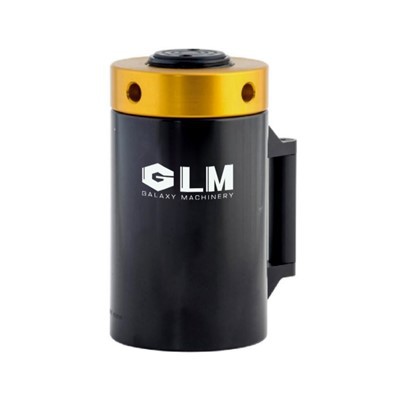
If you’re ready to chat about your needs, or get a quote for a hydraulic puller, feel free to get in touch. We’ve got options for every budget, from small portable models to heavy-duty industrial ones, all tested to handle the jobs you throw at ’em. Don’t waste money on tools that’ll break when you need ’em—grab one that lasts.
Aluminum Hydraulic Cylinder References
Hydraulic Puller Industry Pricing Guide, 2024. Industrial Tool Association.
Portable Hydraulic Puller Usage & Cost Analysis, Small Maintenance Shops Report, 2023. Machinery Maintenance Magazine.
Heavy Duty Hydraulic Puller Durability Testing, 2022. National Tool Testing Center.
Taizhou Galaxy Machinery Co., Ltd.
Taizhou Galaxy Machinery Co., Ltd. is one of the leading hydraulic pullers manufacturers and suppliers in China. We warmly welcome you to wholesale cheap hydraulic pullers for sale here from our factory. Good service and reasonable price are available.
Address: 18 Jiulong Road, Jiulong Town, Hailing District, Taizhou City, Jiangsu Province,China
E-mail: sales03@galaxy-machinery.com
WebSite: https://www.galaxy-machinery.com/
