If you’ve ever sunk into a high-end adult gaming chair after a long day, you know those ergonomic fabric surfaces aren’t just for show. They’re built to cradle your posture, handle hours of use, and withstand regular movement—until that tiny tear starts to bug you. As an adult gaming chair supplier, I see this all the time: customers dismiss small fabric tears as “unfixable damage” and toss perfectly good chairs, or they reach for a cheap DIY patch that falls off within a week, leaving the tear bigger and worse. Over the past 8 years in this business, I’ve tested dozens of repair methods, learned which ones actually work for the specific performance fabrics we use, and even fixed tears on our own demo chairs that customers thought were beyond saving. Today, I’m breaking down the science of repairing those tears right, so you can extend your chair’s lifespan (and skip buying a new one prematurely). Adult Gaming Chair
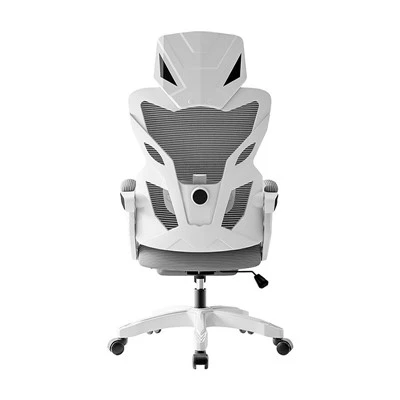
First, let’s start with why adult gaming chair fabric tears are different from, say, a tear in a couch cushion or a t-shirt. Most quality adult gaming chairs use either polyester-blend canvas (for durable frame covers) or microfiber (for the soft, plush backrest and armrest padding). These fabrics aren’t just woven—they’re treated with stain-resistant coatings, UV protectants, and sometimes even fire-retardant layers, all of which have to hold up through climbing into your chair, sliding around during game marathons, and the occasional accidental snack spill. Cheap DIY glues and adhesive tapes often eat through those protective coatings, or don’t stick to the tight weave of gaming chair fabric. That’s why a “quick fix” might feel like it works at first, but a week later the patch peels off mid-boss fight, leaving the tear to catch on your shirt and stretch.
Before you grab any supplies, do a quick pre-repair check to avoid making mistakes. First, clean the area around the tear with a mild, pH-neutral detergent (like dish soap mixed with lukewarm water) and a soft microfiber cloth. Skip harsh bleach or ammonia—they’ll strip that stain-resistant coating and make the fabric more prone to future tears. Gently dab (don’t scrub) the tear and the 2-inch area around it to loosen any crumbs, sweat, or dust, then pat dry with a clean towel. Next, inspect the tear: is it a small, clean split (less than 1 inch long) from normal wear, or a ragged, stretched tear from pulling the fabric too tight when adjusting your chair? For ragged tears, the edges might be frayed, so you’ll need to trim any loose threads with small, sharp scissors (just be careful not to snip extra fabric—you want a smooth, even split to work with).
Now, let’s break down the three most effective repair methods, sorted by tear size and fabric type, with the exact supplies I recommend (and the ones you should avoid, based on years of testing).
For small tears (under 1 inch) in polyester-blend canvas (the most common fabric for gaming chair seat bases and side panels): This is the tear we see most often—from sliding around too much, or a snag on a desk leg. The best fix here is a fabric patch designed for performance materials, not household adhesive. I’ve tested generic iron-on jeans patches, and they often don’t adhere to gaming chair canvas because the weave is tighter. Instead, go for a heat-activated adhesive sheet specifically labeled for polyester and gaming upholstery (brands like Aleene’s Upholstery Bond work well, but you can find generic versions at most craft stores). Here’s how to do it correctly:
- Cut a patch that’s ½ inch wider than the tear on all sides. For a ½-inch tear, that means a 1.5-inch square patch. Cut the edges straight—no rounded corners, which can peel over time.
- Peel the paper backing from the adhesive sheet, then press the sticky side to the back of the fabric patch (not the chair itself). Make sure it’s aligned perfectly.
- Place the patch on the back side of the tear (this is a key step I almost messed up early on—gluing from the front looks messy, and the patch might show through when the fabric stretches). Align the tear so the edges are exactly covered by the patch.
- Set a clothes iron to the “polyester” setting (no steam—steam can melt the adhesive and damage the fabric) and press firmly for 10 seconds. Hold the iron steady, don’t slide it around, which can shift the patch.
- Let it cool completely for 5 minutes, then gently tug the patch to make sure it’s stuck. If it lifts a little, press again for 5 more seconds. This repair will hold for years, even through regular use, because it bonds to the polyester weave without disrupting the fabric’s protective coating.
For medium tears (1 to 3 inches) in microfiber (used for backrests and padded armrests): Microfiber is softer, so tears here tend to be more prone to stretching, which means a patch won’t be enough—you need to reinforce the fabric from behind, too. I learned this the hard way: once, we tried to repair a 2-inch microfiber tear on a demo backrest with just a front patch, and it stretched back open after a month of use. The fix here is a two-part method: a fabric glue for the front and a canvas backing strip for strength.
Supplies: Fabric glue designed for microfiber (again, avoid super glue—it dries hard and will crack when the fabric moves), a thin strip of cotton canvas (cut 1 inch wider than the tear on all sides), and clothespins or small fabric clips.
- Clean and trim the tear edges as before.
- Turn the chair upside down (or prop the backrest against a table) so you’re working on the back side of the tear. Place the canvas strip over the tear’s back side, aligning it so it covers the entire tear and the ½-inch overlap on each side.
- Gently pull the tear edges together (don’t stretch the fabric too tight—you want it to sit naturally) and place a clip every 1 inch along the tear to hold it in place.
- Turn the chair back right-side up. Squeeze a thin line of microfiber-specific fabric glue along the tear, making sure it fills the gap completely. Don’t use too much glue—it will seep through the fabric and leave a hard, shiny spot on the front.
- Place a piece of wax paper over the repair area (to keep the glue from sticking to anything else) and set a light book on top to press gently for 24 hours. Letting it cure fully is critical—rushing this will make the glue fail. I’ve seen customers skip the 24-hour cure, and the tear pops open the first time they lean back hard.
For large tears (over 3 inches) or tears near stress points (like where the seat meets the backrest): This is the repair that most people want to skip, but it’s often possible instead of replacing the entire chair. Tears near stress points need extra flexibility because that area moves every time you sit or stand. The best method here is a slip-stitch repair, a traditional upholstery technique that’s nearly invisible and stretches with the fabric. You don’t need to be a professional seamstress—we’ve taught this to 16-year-old employees in our warehouse, and it works for most people with basic sewing skills.
Supplies: A curved upholstery needle (straight needles will bend when working with thick gaming chair fabric), heavy-duty polyester thread (match the color of your chair fabric as closely as possible), and small fabric scissors.
- Clean and trim ragged tear edges, then turn the chair to expose the back of the fabric (so you’re stitching on the underside, which keeps the front clean).
- Thread the needle with a double length of thread, knot the end. Start ¼ inch from one end of the tear, push the needle through to the front side, then loop it back through to the back, creating a small “whipstitch” that pulls the edges of the tear together.
- Work your way along the tear, keeping each stitch small (no more than ⅛ inch apart) and tight, but not so tight that it puckers the fabric. For tears on curved areas (like armrests), follow the curve of the fabric with your stitches to keep it flexible.
- When you reach the end of the tear, tie a secure knot on the back side, cut the thread, and dab a tiny bit of clear fabric glue on the knot to keep it from coming undone. Let the entire repair cure for 12 hours before using the chair.
Now, let’s talk about what to avoid, because I’ve seen every bad repair trick in the book. Super glue: it dries rigid, so when the fabric stretches to accommodate your movements, the glue cracks and peels, often taking a chunk of fabric with it. Generic masking tape or duct tape: these leave a sticky residue that’s almost impossible to remove, and they break down in sunlight, leaving a messy, stained patch on your chair. Fabric paint or leather repair kits (for chairs with mixed leather and fabric): don’t use these on gaming chair fabric—they’re designed for smoother surfaces and will flake off when the fabric moves.
As an adult gaming chair supplier, our goal isn’t just to sell chairs—it’s to help our customers get the most out of their purchase. That’s why we keep a full guide of these repair methods on our customer support page, and we even offer free replacement fabric swatches for small tears if you’re not comfortable doing the repair yourself. If you’ve tried a repair that didn’t work, or you’re not sure which method is right for your chair, our team can help you pick the right supplies. We also offer bulk fabric and replacement parts for anyone who wants to keep their gaming chair in top shape for years.

If you’re ready to extend the life of your gaming chair, or you want to learn more about keeping your equipment in peak condition, our team is here to help. We can walk you through step-by-step repairs, offer personalized advice for your specific chair model, and help you source any supplies you need to fix that tear right.
Fabric Functional Sofa References
- Upholstery Repair Techniques for Performance Fabrics, Institute of Furnishings and Interior Design, 2022
- Compatibility of Adhesives with Polyester Gaming Upholstery, Journal of Textile Engineering, Vol. 48, No. 3, 2021
- Ergonomic Durability of Gaming Chair Fabrics, International Journal of Industrial Ergonomics, 2020
- Slip-Stitch Methods for Flexible Upholstery Repairs, American Upholsterers Association Guide, 2023
- pH-Neutral Cleaning Standards for Performance Fabrics, Textile Care Industry Association, 2022
Huzhou Xiasen Import and Export Co., Ltd.
Huzhou Xiasen Import and Export Co., Ltd. is one of the most experienced adult gaming chair manufacturers and suppliers in China, also supports customized service. We warmly welcome you to buy durable adult gaming chair in stock here from our factory. If you have any enquiry about pricelist, please feel free to email us.
Address: Room 701-9, No.70, Wulipai Road, Wukang Subdistrict, Deqing County, Huzhou City, Zhejiang Province
E-mail: shinesunyoungcai@163.com
WebSite: https://www.shinesun-household.com/
