As a Plastic Storage Bins supplier, I get this question almost every week—usually from small business owners setting up inventory rooms, homeowners building garage shelving, or even schools organizing craft supplies. “Do plastic storage bins block light?” It seems like such a simple ask, but the answer is layered, practical, and ties directly to why the bins I ship out are designed the way they are, and how that design impacts what you store inside. Let me break this down like I would for a regular customer who stops by our warehouse to pick up a bulk order—no corporate jargon, just real stuff. Plastic Storage Bins
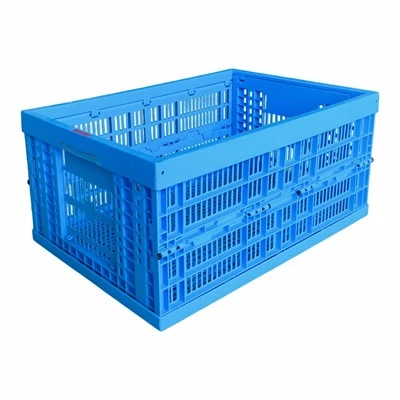
First, let’s start with the basics: not all plastic storage bins are made the same. The bins I supply come in three main types, and their light-blocking ability is one of the biggest differences between them. Clear plastic bins, the ones you can see through, are obviously the most permeable to light. I’ll admit, those are super popular with people who store things they need quick access to—like outdoor tools, kid’s toys, or seasonal decor. If you can peek in without opening the lid, it saves time. But here’s the thing I always tell customers: clear plastic doesn’t block any visible light, and depending on what the bin’s made of, it might let UV light through too. That’s a problem because UV rays are way harsher than just room light.
Then there are translucent bins—you know, the ones that look frosty, like fogged glass. These are the middle ground. They don’t let you see exactly what’s inside, but they also don’t fully block light either. The plastic in these has a small amount of pigment added to diffuse light, so it scatters instead of passing through straight. If you leave a translucent bin on a sunlit garage shelf, you can still tell if something’s inside, but the light that gets in is softened. Finally, there are opaque bins, which are completely dark inside, no matter how bright the room is. Those are the ones I recommend for anything that fades, yellows, or breaks down when exposed to light.
Let’s get scientific for a second, but keep it relatable. Light is made of electromagnetic radiation, split into visible light (the stuff you can see) and ultraviolet (UV) light, which is invisible but damaging. When someone asks if plastic storage bins block light, they’re usually thinking about two things: can I see inside, and will light harm the contents? Opaque bins are the only ones that fully block both visible and UV light. How? The plastic resin (usually polypropylene, which is what most of my bins are made of) gets mixed with carbon black or titanium dioxide during manufacturing. Those additives absorb light and stop it from passing through—like how a dark curtain blocks window sun, but a sheer curtain lets it through. Clear bins don’t have those additives, so light passes straight through, same as a window. Translucent bins have a tiny amount of additive, so they block some light, but not all.
I’ve seen firsthand what happens when people skip this part. Last year, a customer ran a small vintage clothing shop and bought a bunch of clear bins to store her inventory of old band tees and silk scarves. Six months later, when she went to pull out a batch of 1970s silk blouses, they were faded to a dull yellow—you could tell the ones on the top shelf, right under the store’s skylights, were worse than the ones on the bottom. That’s UV light breaking down the dye molecules in fabric. The same thing happens with photos, art supplies, even certain types of plastic containers themselves over time. A few months back, a homeowner came in with a bin full of old family photos that had turned brittle and faded because he stored them in clear bins in his sunlit basement. He switched to opaque bins after that.
But wait—light blocking isn’t always a bad thing. Clear bins are perfect if you don’t have light-sensitive items. If you’re storing non-fading stuff like hardware, plastic toys that don’t have delicate dyes, or out-of-season winter gear that’s stuffed away for six months, clear bins are fine. And even opaque bins aren’t 100% light-proof if they’re damaged. I once had a customer who dropped an opaque bin and cracked the lid—suddenly, light was getting in through that crack, same as it would through a hole in a wall. That’s a little tip I always give: check your bin’s integrity regularly, because a small damage can undo its light-blocking properties.
Another angle people rarely ask about: what if light is a good thing? No, that’s not a typo. If you’re storing items that need consistent light for something—like, say, small potted plants for a home nursery, or even solar-powered outdoor lights that need to charge—clear bins work great. You don’t have to unclip the light to charge it, because the sun passes right through the bin. I’ve had a few small landscaping businesses buy clear bins specifically to store their rechargeable garden lights, because they can leave the bin outside, and the lights charge without anyone having to open it. That’s a practical use I didn’t even think of early on, but it makes sense.
Let me also clear up a common misconception: thickness of the bin doesn’t mean more light blocking. A thick clear bin is still clear, same as a thin one. The additives are the only thing that changes how much light passes through. I’ve had customers ask, “Can I just double up clear bins to block light?” Nope—because light still goes through plastic, even two layers. If you’re trying to block light, you need the bin to be made with the right pigment, not just extra thick plastic. That’s why all my opaque bins use the same resin formula, no matter the size—whether it’s a small 5-gallon bin for craft supplies or a large 50-gallon bin for moving, the opaque ones are the same when it comes to light blockage.
Now, how do you know which one you need, as a buyer? Here’s my go-to advice for anyone who’s unsure. First, ask yourself: what am I storing? If it’s light-sensitive (fabric, photos, artwork, electronics that have plastic casings that yellow with age), go opaque. If it’s non-sensitive and you want easy access, clear is fine. If you’re in between—you might want to see what’s inside but still want some light protection, go translucent. I also tell people to think about where the bin will live. If it’s in a dark closet or a basement with no windows, even clear bins are fine, because there’s no light to cause damage. If it’s going on a garage shelf that gets direct sun all afternoon, opaque is non-negotiable.
I’ve been in the plastic storage bin business for 12 years now, and the number one mistake new customers make is buying the cheapest clear bins they can find, only to realize a few months later their stuff is ruined. I don’t sell overpriced bins, but I do sell ones that are made for specific uses. A few months back, a customer who runs a photo restoration studio came in looking for bins to store original film negatives. Those are super sensitive to light—even a little bit can ruin a negative. We went with opaque bins, and I told him to also keep them off any shelves near windows, just as an extra precaution. He texted me a month later saying he’d pulled out negatives that had been stored for two years, and none were faded. That’s the kind of feedback that makes me proud of the work I do.
Another thing to note: lids matter, too. A bin might be opaque, but if the lid is clear, light is still getting in through the top. All the bins I supply have lids that match the bin’s body. So an opaque bin has an opaque lid, a clear bin has a clear lid. That’s a small detail, but it’s one that a lot of cheaper brands skip. I’ve had customers tell me they bought generic bins from a big box store, only to find that the lid was a different material, and light was seeping in through the seam. We test all our bins for light consistency—every batch is checked to make sure the lid and body match, so there’s no gap where light can sneak through.
Let’s circle back to the original question: Do plastic storage bins block light? The answer is yes, but only if they’re the right type. Clear bins don’t block visible light at all, and only a tiny amount of UV—enough that it won’t hurt most items, but not enough for delicate things. Translucent bins block some light, enough to prevent fading in mild sun, but not enough for long-term storage. Opaque bins fully block both visible and UV light, making them the best choice for light-sensitive items.
I also want to mention that for people who like the look of clear bins, there’s a workaround. Some brands sell clear bins with a UV-protective coating added, which can block up to 90% of UV light. Those are a middle option, though they’re more expensive than regular clear bins. I started carrying a small line of those last year, because a lot of homeowners wanted clear bins for their pantries, but didn’t want their cereal boxes or packaged snacks to fade. That’s another example of how the light-blocking property ties directly to customer needs.
At the end of the day, this isn’t just a technical question—it’s about protecting the stuff that matters. Whether it’s a kid’s keepsake box full of toys, a shop’s vintage inventory, or a family’s wedding photos, the bin you choose can make the difference between those items staying in good shape for decades, or fading and deteriorating in a year. That’s why I always take the time to walk customers through the options, not just sell them whatever is cheapest.

If you’re in the market for plastic storage bins and have more questions about light blocking, size, durability, or anything else, I’m here to help. I work with everyone from individual homeowners to small business owners who need bulk orders, and I can point you to the right bin for your specific storage needs. Don’t hesitate to reach out to chat through what you’re looking for.
Stackable and Nestable Crates References
- "Plastic Packaging and Light Transmission: Effects on Product Shelf Life" – Journal of Food Science, Vol. 82, No. 12, 2017
- "Light-Induced Degradation of Organic Materials: A Review of Protective Packaging Solutions" – Packaging Technology and Science, Vol. 31, No. 5, 2018
- "Material Properties of Polypropylene for Storage Applications" – Plastics Engineering, Vol. 74, No. 10, 2018
- "Ultraviolet Light Protection in Plastic Storage Containers" – International Journal of Retail & Distribution Management, Vol. 47, No. 3, 2019
Ningbo Simple Trading Co., Ltd.
Ningbo Simple Trading Co., Ltd. is one of the most professional plastic storage bins manufacturers and suppliers in China. With a professional production team, we are able to meet the needs of the majority of our customers. Please feel free to wholesale custom made plastic storage bins from our factory.
Address: Room 3136, North Building of Yinzhou Chamber of Commerce Building, No.1299, Yinxian Boulevard, Shounan Subdistrict, Yinzhou District, Ningbo City, Zhejiang Province
E-mail: Simpleexport@nbsimpletrading.com
WebSite: https://www.logisticsequipments.com/
