If you’ve ever run your fingers over a quilt’s whimsical animal motifs, a denim jacket’s patch-worked flower, or a vintage linen napkin’s stitched leaf appliqué, you’ve experienced one of embroidery’s most versatile, underrated techniques. As an appliqué supplier for over a decade, I’ve seen this method evolve from a practical way to repair worn fabrics into a creative staple for everything from high fashion to home decor. Today, I want to break down exactly what appliqué in embroidery is, how it works, and why it’s more than just a “patch” technique. Applique
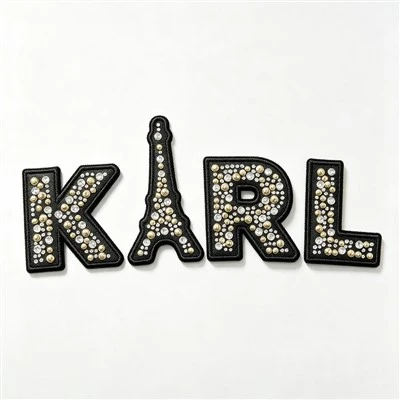
First, let’s cut through the confusion: appliqué is often lumped in with patchwork, but they’re distinct. Patchwork involves stitching small fabric pieces together to form a single, larger surface—think log cabin blocks in a quilt. Applique, by contrast, is the process of attaching a small, decorative fabric shape onto a larger base fabric, then securing it with embroidery stitches. The base fabric (sometimes called the “ground fabric”) is usually a solid, neutral material, while the appliqué piece is cut from a contrasting or complementary fabric, creating sharp, eye-catching contrast that’s core to the technique’s appeal.
That simplicity is why appliqué has been used for thousands of years. Historians trace its origins back to ancient Egypt, where linen fragments were stitched onto burial wrappers to adorn the dead, and to ancient China, where silk appliqué decorated royal robes. It spread through trade routes to Europe by the Middle Ages, where nuns used it to decorate church vestments and tapestries, and to North America, where Indigenous communities used it to tell stories through fabric shapes long before European settlers brought their own appliqué traditions. Back then, it wasn’t just decorative: before mass-produced clothing, people used appliqué to repair holes in garments—hence the word’s Latin root applicāre, meaning “to attach.” That practical-to-creative arc is still what makes it resonate today.
The mechanics of appliqué are deceptively straightforward, but small choices make all the difference. Let’s walk through a standard, hand-appliquéd project first, since that’s where the technique’s versatility shines. First, you prep your pieces: cut your appliqué shape (say, a daisy petal) from your chosen fabric, then fuse a lightweight, temporary stabilizer to the back of both the appliqué and the base fabric to stop fraying and keep layers aligned (for machine appliqué, this step is non-negotiable). Next, pin the appliqué shape to the base fabric—you can use sharp glass-head pins, or even a temporary spray adhesive for smooth, detailed shapes like letters. The key part is securing it with embroidery stitches: the most basic is a running stitch, which is great for shapes with straight edges and a rustic, handmade look. For a cleaner finish, a satin stitch covers the raw edge of the appliqué piece completely, blending the shape into the base fabric. For curves or delicate details, a whip stitch or blind stitch turns raw edges inward before securing, creating a polished, professional look that’s popular in high-end apparel.
Machine appliqué, which we specialize in as a supplier, is a scaled-up version of this process, designed for bulk projects that require speed and consistency. When we work with clients, we start with a digital design file—usually a vector image or a custom sketch they provide—then input it into an embroidery machine programmed to cut and place the appliqué fabric automatically. First, the machine hoops the base fabric, then lays down a temporary tacking stitch to hold the shape of the appliqué in place. Next, it cuts the appliqué fabric (we work with a range of materials: cotton, felt, denim, even leather, depending on the project) from a roll or a custom die, then lays it exactly over the tacked shape. The machine then secures the appliqué with a tight satin or zigzag stitch, sometimes adding a topstitch outline for extra durability. The result is identical to hand appliqué, but with hundreds of pieces produced in a single day—way faster than a human could stitch them by hand.
That’s why appliqué is such a workhorse for industries beyond just quilting. Let’s break down the most common uses I see from our clients: first, apparel. Denim jackets, t-shirts, hoodies, and athletic wear all use appliqué to add brand logos, graphic motifs, or personal touches like names or nicknames. Small businesses often come to us to order bulk appliqué patches for their merch—way cheaper than screen printing for small runs, and more durable for frequent wear. Then there’s home decor: quilts, throw pillows, table runners, and even wall art rely on appliqué to create thematic designs, from nature scenes to holiday patterns. Quilters, especially, love appliqué because it lets them add intricate details without the complexity of patchwork blocks. We also supply appliqué for crafts, from Halloween costumes to baby shower decor, where a custom patch can turn a simple item into something memorable.
What many people don’t realize is that appliqué is deeply customizable, even beyond fabric choice. We can adjust the size, color, shape, and finish of appliqué to fit any brand or project. For example, a fast fashion brand might want bright, bold, non-fraying appliqué for a summer t-shirt, so we use a pre-felted polyester that doesn’t unravel, even with harsh washing. A luxury brand might request a 100% silk appliqué with hand-finished edges for a high-end blouse, so we pair machine-cut shapes with a custom hand-stitch edge for a refined look. We also work with clients to add special details: metallic threads for logos, glitter-infused fabrics for holiday items, or water-resistant materials for outdoor gear. The trick, though, is choosing the right stabilizer for each project—too thin, and the appliqué will pucker after washing; too thick, and it will feel stiff and uncomfortable against skin. That’s where our years of experience come in: we test each batch of appliqué to make sure it holds up to standard washing, drying, and wear-and-tear, which is why so many clients come back to us repeatably.
A common question I get from new clients is: Is appliqué suitable for every project? The short answer is, mostly, but it has its limits. For very large designs (like a full back panel on a denim jacket), appliqué can start to feel heavy, and a single patch might pull away from the fabric over time unless reinforced. For projects that need a super smooth, subtle finish (like a wedding dress bodice with delicate floral motifs), embroidery appliqué can sometimes look too bulky, so a simpler satin stitch might be a better choice. But for most projects, from small patches to large decor pieces, appliqué is ideal because it balances durability and visual impact. Unlike screen printing, which can crack after a few washes, appliqué stitches bond directly to the base fabric, so a well-made appliqué will last for years, even with frequent use.
As an appliqué supplier, I’ve seen this technique evolve in unexpected ways over the years. Just a decade ago, most appliqué was simple shapes and basic logos—now, clients are asking for hyper-detailed designs, like tiny animal faces from photos, or intricate geometric patterns that mimic hand-cut fabric. We’ve had to adapt, investing in high-precision embroidery machines that can cut shapes as small as a quarter-inch, and working with clients to refine their designs so they translate well from a sketch to a fabric shape. Even sustainability has become a factor: many clients now request eco-friendly appliqué made from organic cotton or recycled polyester, which we now stock as part of our product line. It’s a reminder that even a centuries-old technique can stay relevant by adapting to what creators and consumers need today.
If you’re a designer, small business owner, or craftsperson looking to add appliqué to your next project, it’s worth thinking through your goals before you start. Ask yourself: Will this appliqué be worn (like a garment patch) or displayed (like a quilt detail)? How important is durability? Do you need a custom shape, or a stock design? That’s where working with a reliable appliqué supplier makes all the difference. We can help you navigate material choices, design file prep, and quantity requirements, so you don’t have to waste time experimenting with methods that won’t work for your project.

At the end of the day, appliqué is more than just an embroidery technique—it’s a way to add personality, durability, and history to any fabric project. Whether you’re making a custom jacket for your band, a heirloom quilt for a new baby, or branded merch for your small business, appliqué offers endless creative possibilities. If you’re ready to explore how appliqué can work for your next project, reach out to our team to discuss your needs. We’re here to answer questions, provide samples, and help you bring your design to life.
Towel Embroidery References:
- Levey, S. (2010). The History of Embroidery: From Ancient Civilizations to the Present. Thames & Hudson.
- Shaeffer, C. (2018). The Modern Guide to Applique & Embroidery. Interweave Press.
- International Quilt Association. (2021). Traditional Techniques in Modern Quilting.
- Textile Institute. (2020). Technical Standards for Machine Embroidery and Applique.
Dongguan Kailin Technology Co., Ltd.
With abundant experience, we are one of the most professional applique manufacturers and suppliers in China. We warmly welcome you to wholesale bulk high quality applique for sale here from our factory. Customized orders are welcome.
Address: No. 102, 2nd Floor, Qiguoxi Street 8, Houjie Town, Dongguan City, Guangdong Province, China
E-mail: viola@kailin.cc
WebSite: https://www.dgkailintech.com/
