If you’ve ever driven past a forestry site on a logging route, you might have stared at a big excavator swinging through the trees and wondered, “What the hell is that thing doing, anyway?” At our excavator attachment supply shop, we get this question all the time—and for good reason. Most folks only see excavators digging holes for pools or moving dirt at construction sites, but in the woods, those same machines turn into all-purpose forestry workhorses, and the magic is in the attachments we sell. Excavator Attachment
Let’s cut through the jargon and get real: forestry work isn’t just “cut down trees, haul ’em away.” It’s got a million messy, specific jobs—clearing overgrown brush for a new road, felling tall, tricky pines without damaging nearby saplings, hauling heavy logs across uneven ground, even replanting after a harvest. Every one of those tasks needs a different tool bolted to the end of the excavator arm, and choosing the wrong one wastes time, breaks equipment, and puts workers at risk.
First up, the workhorse most people picture for logging: the feller buncher head. Wait, no—wait, let’s be honest, not all feller heads are the same, and that’s where our stuff comes in. A lot of new guys think you just grab a blade and saw through a tree, but modern feller buncher attachments have that rotating, clamp-like jaw that wraps around a tree trunk, a sharp circular saw or chain saw blade embedded in the jaw, and once you cut through, it holds the tree tight so it doesn’t topple where you don’t want it. For thick, mature hardwoods, our heavy-duty feller heads have a wider jaw opening and higher torque so they don’t get stuck mid-cut. We’ve had customers tell us their old, cheap heads would slip off oak trunks twice a day, but ours hold steady even on 24-inch diameter trees. And here’s the big win for forestry: a feller buncher doesn’t just cut one tree and drop it—it stacks up 5 or 10 small-to-medium trees at a time in a neat pile (a “bunch”) so your log hauler doesn’t have to make a dozen runs. That cuts down on fuel for hauling, which is huge when diesel prices are through the roof.
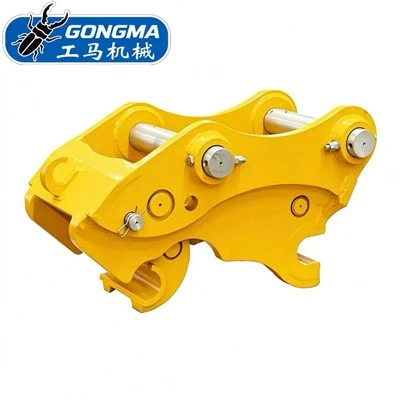
Next, what do you do with all those piled trees? You need a grapple, but not just any grapple. A lot of people confuse the standard rock grapple you see at construction sites with a forestry-specific log grapple. Construction grapples have sharp, pointed tines for prying rocks and digging stumps, but those tines will tear through log bark, weaken the wood, and even break thin branches when you’re hauling small trees. Our forestry log grapples have rounded, wide tines with rubber padding along the inner jaw—gentle enough to keep log value high, but strong enough to lift a 2,000-pound pine log across sloped ground. We also have rotating grapples that let you spin a log into the exact position you need to load a hauler, no extra shoveling or adjusting required. Some customers mix and match: they use a feller buncher to cut and bunch, then switch to grapples to move logs to a landing (that’s what we call the area where you stack logs for hauling, by the way). No need for a whole separate machine—just swap the attachment in 10 minutes with our quick couplers, which we’re low-key proud of because they’re way faster than the clunky ones old guys used to deal with.
Then there’s the job no one talks about as much: site prep before planting or building a new forest road. Clearing brush and small saplings sounds easy, but if you try to do it with a regular bucket, you’ll just push everything around, leaving stumps that pop up later and block your work. Enter the forestry mulcher attachment. This is basically a big, spinning drum with sharp tungsten teeth that grinds brush, small trees, and undergrowth into tiny wood chips right where you stand. No hauling away debris, no burning piles (which is a fire hazard in dry forest areas), just mulch that turns back into soil over time. Wait, but not all mulchers are created equal—our mid-sized mulcher is perfect for clear-cut sites where you need to grind 6-inch saplings, and we have a heavy-duty model for areas with existing stumps. I’ve had a customer tell us they used a competitor’s mulcher on a site with 12-inch oak stumps and it burned out in two days; ours handled it without a hiccup. Another big use for mulchers: cutting down invasive shrubs or overgrown underbrush that crowds out young trees. Instead of using chainsaws for every single plant, a mulcher can cover 2 acres in a day, which cuts labor costs by a ton.
What about when you need to get rid of bigger stumps after a harvest? A regular excavator bucket can’t pull out a 18-inch oak stump—you’d just chip the bucket or leave half the stump in the ground. That’s where the stump grinder attachment comes in. Wait, no—we also have a stump bucket, but stump grinders are way better for grinding stumps down 6 to 12 inches below ground level so you can plant new trees or build a road without tripping over roots. Our stump grinder has a rotating cutting wheel that chews through wood and even small roots, leaving a smooth hole. We’ve seen some guys use old rock breakers for stumps, but those just crack the stump into big pieces, and you still have to dig ’em up. Our grinder turns the whole stump into mulch, so you don’t have extra debris to haul away. Bonus: if a customer is doing both logging and replanting, they can use the same excavator (with a mulcher for site prep, feller buncher for cutting, stump grinder for cleanup) so they don’t need to buy a whole separate tree planter machine—wait, right, we also have a tree planting auger attachment! That’s a big, long auger that bores a perfect hole for saplings, and you can adjust the depth for different tree species. A lot of forestry crews use that to plant 200 saplings a day without hand-digging each hole, which is way faster than old-school methods.
Wait, let’s talk about the tricky stuff: working on steep slopes or wet ground, which is super common in forestry. Standard excavator attachments can slip or tip if you’re on a 30-degree hill, right? So we have slope-specific forestry attachments, like tilt rotators that let you angle the attachment 30 degrees left or right, so you don’t have to move the whole excavator as much when you’re felling a tree on a slope. That’s a game-changer for safety—less time the excavator is shifting on unstable ground, which means fewer accidents. We also have tracks for excavators, but that’s a separate thing, not an attachment, but the attachments we make work perfectly with track excavators, which are way better for forestry than wheeled ones because they don’t leave deep ruts that erode over time.
Now, I know what you’re thinking: “Why not just buy a whole dedicated forestry machine instead of using an excavator with attachments?” Fair question, but here’s the thing: excavators are already in high demand on most construction and farm sites, so buying a separate feller buncher or mulcher machine is way more expensive, and you can’t use it for anything else when the forestry job is done. With our attachments, you can use the same excavator for digging ponds, clearing land, and forestry work—so you’re not letting a big machine sit idle for half the year. That’s why our customers come back to us again and again: it’s cheaper, more flexible, and you don’t need to train a whole separate crew on a new machine.
But let’s be real, there are mistakes people make when picking forestry attachments. First, size matters. If you have a 10-ton excavator, don’t buy a 20-ton feller head—it’ll strain your hydraulic system and break it. That’s why we work with every customer to match the attachment to their excavator size, so they don’t waste money on something too big or too small. Second, don’t skimp on teeth or parts. A cheap grapple might save you a couple hundred bucks now, but the tines will bend or break in six months, and you’ll have to pay for downtime and repairs. Our attachments are made with heavy-duty steel and tungsten teeth that hold up to 50% longer than cheap ones, even in rocky, woodsy environments. Third, get attachments that are designed for the terrain you work in. If you’re in a wet, muddy forest, you need grapples with non-slip jaws to keep logs from slipping; if you’re in dry, brushy areas, mulchers with fire-resistant parts to avoid sparks.
Wait, let’s throw in a quick real customer story to make this concrete. A small logging crew in northern Minnesota hit us up last year. They were using a standard excavator with a plain bucket for felling, and they were getting stuck on brush, damaging logs, and only doing 5 acres a day. They bought our feller buncher head, log grapple, and forestry mulcher. Now they do 15 acres a day, their log value went up 15% because the grapples don’t tear bark, and they cut labor costs by two people because they don’t need a separate logging machine. That’s the stuff we care about—helping small crews make more money without spending a fortune.
So, to wrap this up, the forestry attachments for excavators aren’t just random tools bolted on. Each one is built for a specific job: feller bunchers for cutting and stacking trees, log grapples for moving and loading logs, mulchers for site prep, stump grinders for cleanup, and augers for replanting. The best part? You don’t need a bunch of separate machines—just one excavator and a few attachments to cover every step of the forestry process.
If you’re in the forestry business (or even a farmer who does some tree clearing, or a contractor working on a forest road) and you’re tired of wasting time, breaking equipment, or overspending on separate machines, we can help. We’ll walk you through what size and type of attachment works for your specific site, your excavator, and your budget. Just reach out and we can chat through your needs, no sales pitch, just straight talk about what’ll actually work for you.
Hydraulic Pulverizer References:
- U.S. Department of Agriculture Forest Service. (2021). Forestry Equipment and Safety Guidelines for Small Landowners.
- International Society of Arboriculture. (2020). Excavator Attachment Use in Urban and Rural Forestry Operations.
- Forest Products Society. (2019). Cost-Effective Attachment Solutions for Logging and Site Preparation.
- National Work Zone Safety Information Clearinghouse. (2022). Safe Operation of Excavators in Sloped Forest Terrain.
Yantai Gongma Construction Machinery Co., Ltd.
As one of the most professional excavator attachment manufacturers and suppliers in China, we have world-leading production equipment and strong manufacturing capabilities. Please rest assured to buy cheap excavator attachment in stock here and get pricelist from our factory. We also accept customized orders.
Address: Lutou Board factory yard, Lutou Town, Longkou Yantai City, Shandong Province
E-mail: gongmajxzg@163.com
WebSite: https://www.gmattach.com/
