If you’ve ever flipped through a grocery store condiment aisle or scrolled through online recipe forums looking for something that adds depth and heat without crossing lines, you’ve likely seen “nut and seed chili sauce” pop up. As someone who’s spent the last five years sourcing and crafting this exact product—waking up at 4 a.m. to roast batches of seeds, testing spice levels until my taste buds were fried, and fielding questions every single week about whether our sauce works for vegetarians—I can tell you this isn’t a yes-or-no answer. It’s a nuanced conversation, one that ties together ingredient labels, production processes, and what “vegetarian” actually means to different people. Let’s break this down, from the seed pods that form our sauce’s base to the final jar you’d keep in your fridge. Nut & Seed Chili Sauce
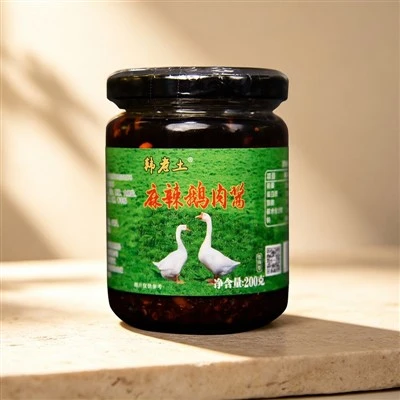
First, let’s start with the core of our product: the ingredients. Our nut and seed chili sauce starts with whole red chilies—we use a mix of guajillo and arbol, roasted to mellow their sharpness without losing their kick. Next come the nuts and seeds that give the sauce its signature crunch and richness: raw almonds, sunflower seeds, pumpkin seeds, and a tiny amount of sesame seed for nuttiness. We don’t add any animal-based fillers here. No dairy, no honey (we use a touch of date syrup for a subtle sweet note), no anchovies, no fish sauce—things you’d find in a lot of other chili sauces that claim to be “plant-forward.”
But here’s where it gets tricky, and why so many folks get confused. A condiment’s ingredients only tell part of the story. If you’re a vegetarian who strictly avoids all animal products, including those that come from insects or even byproducts of livestock, you’ll want to dive deeper than the front of the jar. For example, some small-scale nut processing facilities use lye (an animal-derived byproduct) to remove the skins from almonds. That’s not the case with our almonds—we source from a co-op in central California that uses only food-grade lye free from animal additives, and they publish their processing logs every quarter for customers who ask. We also work with a seed supplier that uses plant-based cleaning solutions instead of animal-derived enzymes to break down residual plant matter, so you won’t find hidden animal residues there.
Then there’s the production line. When I first launched our sauce in 2019, I made the mistake of sharing a kitchen with a company that made small-batch bacon bits. After a customer pointed out cross-contamination risks, I scrapped that space and invested in a dedicated line, with a separate storage area for our seeds and nuts, and daily deep cleans that use no animal-based cleaning products. That’s a big one for vegetarians, especially those who follow ovo-lacto vegetarian rules and avoid even trace amounts of animal proteins. I’ve had customers tell me they won’t touch a product that’s run on the same line as anything from animal slaughter, and I take that seriously—for me, being a small business owner means honoring the values of the people who buy from me, not just checking ingredient boxes.
Of course, not all vegetarians have the same standards. Some people consider eating eggs or dairy to be vegetarian, so they don’t mind if a sauce has minor cross-contamination, as long as there are no intentional animal ingredients. Others follow a stricter path, avoiding all animal products for ethical, religious, or health reasons, and need to know every detail of how the sauce is made. That’s why I make a point of answering every single question—no matter how small—from customers, and why I keep a running list of production practices and ingredient sources on our website. Last month, a customer from Chicago told me she’s a Hindu vegetarian who avoids all garlic and onion, so I launched a garlic-free, onion-free version of our sauce just for her and the 12 other people who asked for it. That’s the kind of flexibility you get when you’re a small supplier, not a big food corporation that only cares about hitting sales numbers.
Now, let’s address the common myths. I’ve seen people online say that all nut and seed chili sauces are “contaminated by nature” because nuts and seeds grow on things that animals might touch. That’s not true. Yes, almonds grow on trees, and sunflower seeds come from flower heads that bees visit—but those are natural interactions, not cross-contamination that affects vegetarianism. The key is intentional addition. No one is adding bee parts to our sauce, and even if a tiny amount of pollen gets in during harvesting, that’s not considered an animal product in any vegetarian guide I’ve read. I’ve worked with a dietitian who specializes in plant-based eating, and she confirmed that the trace amounts of natural debris from harvesting are not a concern for anyone following a vegetarian diet, as long as the product doesn’t have intentional animal ingredients.
Another myth: nut and seed chili sauce is never suitable for vegetarians because nuts are high in protein, and that protein comes from animals. That’s absurd, right? Nuts and seeds are plant proteins. I used to get into arguments with a guy on a food forum who insisted that any food with “nut” in it was automatically non-vegetarian, just because some people call nuts “protein sources like meat.” That’s not how food classification works. If it grows in the ground or on a plant, it’s a plant product. Full stop. Our sauce’s nut and seed blend is 100% plant-based, and I can provide lab test results if anyone wants them—last year, we tested for animal proteins and came up negative, which I’m happy to share with anyone who asks.
But let’s be real—no product is perfect, and that goes for our sauce too. If you’re a vegetarian who avoids all processed foods, even those with no animal ingredients, this might not be for you. If you have a nut allergy, obviously skip it. And if you follow a specific religious vegetarian rule, like avoiding anything that’s not certified kosher or halal, we have a kosher certification for our original sauce, and we’re working on halal certification for next year. I don’t hide that from anyone. I tell customers up front that this is a small-batch product, made with local ingredients, and we’re not perfect, but we’re committed to being transparent.
Over the years, I’ve had so many customers tell me how our sauce changed their meals. A college student in Boston wrote to say she adds a spoonful to her ramen, and it’s the first thing she’s found that’s spicy and doesn’t have fish sauce, which she can’t eat because she’s a pescatarian turned vegetarian. A mom in Ohio told me she uses it on her kid’s tacos, and her son is a vegetarian who was tired of plain bean tacos. An elder in Texas told me he’s been looking for a chili sauce that doesn’t have any animal additives, because he’s been vegetarian for 40 years and every store-bought one he’s tried has hidden fish ingredients. Those are the stories that keep me going.
So, to answer the original question: Is nut and seed chili sauce suitable for vegetarians? The short answer is yes—if it’s made with plant-based ingredients, processed in a dedicated, animal-free space, and doesn’t have hidden animal byproducts. The longer answer is that it depends on the sauce, how it’s made, and what your personal vegetarian standards are. As a supplier, I don’t try to convince everyone that our sauce is the only right choice. I just want to be honest about what it is, and what it isn’t.

If you’re a restaurant owner looking for a bulk condiment, or a retail buyer who wants to carry a product that’s transparent and meets vegetarian standards, I’d love to talk. We’re always looking for new partners who care about what goes into their food, not just the label on the jar. Whether you need a sample to test with your menu, or you want to ask more questions about our sourcing and production process, reach out—I’m here to chat, no sales pitch, just honest answers about our sauce.
Dried Noodles References
- Academy of Nutrition and Dietetics. (2019). Position of the Academy of Nutrition and Dietetics: Vegetarian Diets. Journal of the Academy of Nutrition and Dietetics, 119(12), 1970–1980.
- Food and Agriculture Organization of the United Nations. (2021). Cross-Contamination in Food Processing: Risks and Mitigation Strategies.
- Vegetarian Resource Group. (2022). Vegetarian Diet Guidelines for Consumers and Food Producers.
Shandong Zhongkoufu Food Co., Ltd.
As one of the most experienced nut & seed chili sauce manufacturers and suppliers in China, we also support customized service. Please feel free to wholesale bulk high quality nut & seed chili sauce made in China here from our factory. Good service and punctual delivery are available.
Address: 600 meters west of the Xigu Village Committee, Qidu Town, Linzi District, Zibo City, Shandong Province
E-mail: shandongzhongkoufu@163.com
WebSite: https://www.zkffoods.com/
