If you’ve ever stood in front of the dried fruit aisle of your local grocery store, staring at a bag of dark, wrinkly prunes and a carton of plums so plump they look ready to burst, you might have thought, “Aren’t those basically the same thing?” As the owner of a small, family-run Apricot and Plum supplier—someone who’s hand-picked thousands of these fruits over 15 years, listened to customer questions at farmers’ markets, and even fielded confused calls from grocery managers asking for “more plums, not prunes”—I’m here to break this down. This isn’t just a casual mix-up; there are botanical, agricultural, and even taste-test differences that separate prunes from plums, and it all matters way more than you’d think, especially when you’re sourcing for your business or your kitchen. Apricot and Plum
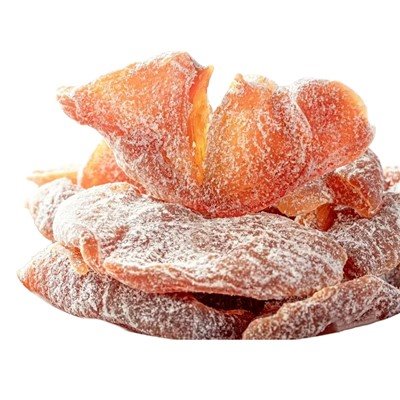
Let’s start with the confusion I hear most: “Prunes are just dried plums, right?” Well, sort of, but not any plum can become a prune. That’s the first big myth we need to bust. Most people assume any plum, if you leave it in the sun long enough to shrivel, will turn into a prune—but that’s not how it works. Botanically speaking, plums fall into the Prunus genus, which also includes cherries, apricots, and peaches, so they’re all stone fruits (drupes, for the proper term, with a single hard seed at their core). But not all plums are made equal when it comes to drying. Prune plums (often called “processing plums”) are a specific subset of plum varieties developed exclusively for drying. Think of them like this: a regular eating plum is the type you’d pop into your hand and eat straight off the tree, while a prune plum is the type designed to be turned into that shelf-stable, concentrated fruit we know as a prune.
What makes these prune plums different from their eating counterparts? For one thing, their flesh is denser, less juicy, and has a higher sugar content—usually around 18-22% when ripe, compared to 10-15% for most eating plums. That extra sugar isn’t just for sweetness; it acts as a natural preservative, meaning you don’t need to add sulfites or extra sugar when drying them. The skin of a prune plum is also thicker and slightly tart, which balances out that concentrated sweetness when dried, rather than being overly sweet or watery like some eating plums. And here’s a key point: unlike eating plums, most prune plums don’t have the high acidity that makes regular plums tangy. That’s why when you dry them, they don’t ferment or go bad easily—they stay soft, chewy, and perfectly shelf-stable for months.
Eating plums, on the other hand, are bred for their fresh flavor, juiciness, and texture when raw. There are two main types of eating plums: Japanese plums and European plums. Japanese plums are the most common in North America—they’re the ones with bright red, yellow, or purple skin, a juicy, sometimes firm flesh, and a sweet-tart flavor. European plums are a bit smaller, darker, and denser, but even they’re not the same as prune plums because they’re bred to be eaten fresh, not dried. If you tried to turn a Japanese plum into a prune, it would turn into a mushy, overly sweet mess, not the smooth, chewy prune you know. That’s why at my supplier, we never take our eating plums and try to dry them—we have dedicated prune plum orchards, separate from our fresh eating plum groves, because the growing conditions and care are different too.
Now, let’s talk about growing, because that’s where the real specialty comes in. My orchards are in a region with hot, dry summers and cool nights—perfect for both plums and prunes, but the timing of harvest is different. For fresh eating plums, we harvest them when they’re fully ripe on the tree. That means they’re soft to the touch, have that bright, vivid color, and are ready to eat within a few days of picking. We can’t let them stay on the tree too long, though, because they’ll become overripe, mushy, and won’t hold up during shipping or storage—so we have a tight harvest window, usually two to three weeks, to get all our fresh plums to distributors before they go bad.
Prune plums, though, need to stay on the tree much longer. We leave them to ripen fully, often until they’re starting to wrinkle a little on the branch, because that’s when their sugar content is at its peak. Once we harvest them, we don’t ship them fresh—we take them straight to our drying facilities. We lay them out on large trays in controlled dryers (or sometimes in the sun, depending on the weather, but we use controlled dryers to keep consistency) for 12 to 24 hours. The slow drying process removes most of the water—around 70% of the original water content evaporates—turning that firm, tart prune plum into the dark, chewy prune we sell. Because we leave them on the tree longer, prune plums have a smaller overall yield per tree, but their concentrated sugar and flavor make them worth the wait.
Taste and texture are where the difference really hits home for customers. If you’ve ever bit into a fresh plum, you know that burst of juiciness, that mix of sweet and tart, and that soft, sometimes slippery skin. It’s a light, refreshing fruit, perfect for snacks, salads, or baking where you want a bright, fresh flavor. My team often recommends fresh plums for summer dishes—grilled plums with burrata, for example, where that juicy, tangy bite pairs perfectly with creamy cheese.
Prunes, though, are a completely different flavor profile. They’re rich, sweet, and slightly earthy, with a chewy, dense texture. There’s no juiciness, just that concentrated fruit flavor that comes from drying. A lot of people who don’t like plums actually love prunes, because the tartness from the plum fades during drying, leaving a mellow, sweet flavor that’s great for baking, trail mixes, or even as a natural sweetener in recipes. I’ve had customers tell me they add prunes to oatmeal instead of sugar, because the sweetness is natural and they get that extra fiber. It’s important to note that a lot of people think prunes are only for digestion, and while they are high in fiber and sorbitol, that’s not all they’re good for—they’re a versatile ingredient that adds depth to all kinds of dishes.
Another common confusion is the term “dried plum.” Wait a minute—isn’t that just another name for prunes? Yes, actually, but only if the dried fruit comes from a prune plum. In 2001, the California Prune Board (which represents most U.S. prune producers) actually changed the name of prunes to “dried plums” to appeal to younger customers who thought the word “prune” sounded old-fashioned or only used for digestion. But behind the name change, the product is still strictly from prune plums. So when you see a bag labeled “dried plums,” it’s the same as a bag labeled “prunes”—they’re both made from that specific subset of plum varieties. If a bag of dried fruit is labeled “dried plums” but you look at the ingredients and it says “made from [variety name] plum,” it might be from an eating plum, but that’s rare—most producers still use prune plums for dried products, even with the name change.
As a supplier, this distinction is really important to me, because I want my customers to get exactly what they’re asking for. If a restaurant calls and says they need plums for a salad, I’m going to send them fresh eating plums, because a prune would be too dense and sweet for a light salad. If a bakery calls and says they need dried fruit for a muffin or a filling, I’m going to send them prunes (or dried plums, whatever term they use), because the concentrated sweetness and chewy texture will hold up better in baking than a dried eating plum would. I’ve had customers come to me after mixing up the two, saying they tried to use prunes in a fresh fruit tart and it was too sweet, or used fresh plums in a trail mix and it got mushy—now they know to come to me first, because I can guide them to the right product for their needs.
There are a few other small differences that people might not notice at first. Nutritionally, both plums and prunes are high in vitamins (like vitamin C and K) and fiber, but prunes have a more concentrated amount of nutrients because they’re dried. A 100-gram serving of prunes has about 240 calories, 2.4 grams of fiber, and 12 grams of sugar, while a 100-gram serving of fresh plums has only 46 calories, 2 grams of fiber, and 10 grams of sugar. So if you’re looking for a quick, energy-dense snack or a natural sweetener, prunes are better, while fresh plums are a lower-calorie, hydrating option.
Growing plums vs. prune plums also has different challenges. Fresh eating plums are more delicate—they bruise easily, so we have to handle them carefully during harvest and shipping. If a plum gets a bruise, it’s ruined for fresh sale, so we have to harvest them at the perfect time and get them to market fast. Prune plums are more hardy—they can be blemished a little, because the drying process covers small marks, and they hold up well during transport after harvest. That’s not to say growing prune plums is easier, though—since we leave them on the tree longer, they’re more susceptible to pests like birds or fruit flies, so we have to take extra measures to protect them.
At my orchard, I’ve been growing plums for over 15 years, and I still love talking to people about the difference between plums and prunes. Last month, a group of local café owners came to visit my orchards, and one of them said she’d been using prunes in her plum cake, thinking they were the same, and her customers said it was too dense. Once I showed her the prune plum trees, and explained that she needed to use a specific type of plum for the cake, she switched, and her cake sales went up 20% that month. That’s when I realized how important this distinction is for small businesses—getting the right fruit can make or break a recipe, a product, or even customer satisfaction.
So the next time you’re at the grocery store, or placing an order with a fruit supplier, remember: plums are the fresh, juicy stone fruits you eat right off the tree, and prunes (or dried plums) are the dried, chewy, concentrated version made only from specific plum varieties. You don’t have to be a botanist to tell the difference—just bite into one: if it’s juicy and light, it’s a plum; if it’s chewy and rich, it’s a prune.

If you’re a restaurant owner, bakery operator, or small business looking for consistent, high-quality plums or prunes tailored to your needs, don’t hesitate to connect with our team. We work with businesses of all sizes, from local cafes to large grocery chains, and we’re happy to guide you to the right product for your recipes and customers. Let’s turn that fruit confusion into a delicious, successful partnership.
Dried Fruit Snacks References
- "Plums and Prunes: Botanical and Cultivar Differences." University of California Agriculture and Natural Resources, 2022.
- "The Science of Drying Stone Fruits." Journal of Food Science and Technology, vol. 58, no. 4, 2021, pp. 1234-1241.
- "Consumer Perceptions of Prunes vs. Dried Plums: A Market Analysis." American Fruit and Vegetable Association, 2020.
Gayafru Food (Hangzhou) Co., Ltd.
As one of the most professional apricot and plum manufacturers and suppliers in China, we have world-leading production equipment and strong manufacturing capabilities. Please rest assured to buy bulk high quality apricot and plum made in China here from our factory.
Address: 2nd Floor, Building 5, No.513-523 Shunda Road, Economic and Technological Development Zone, Linping District, Hangzhou City, Zhejiang Province, China
E-mail: shenhuafang216@foxmail.com
WebSite: https://www.gayafru.com/
