If you’ve ever shopped for outdoor furniture, chances are you’ve heard the word “teak” thrown around like it’s some kind of magic solution to the chaos of rain, sun, and freezing temperatures that come with keeping pieces outside. As someone who’s spent the last 12 years working as an outdoor furniture supplier, I get asked about teak’s decay resistance at least twice a day—usually right after a customer points to a piece in our showroom that’s been out back through three brutal winters and says, “How does this stuff not rot?” It’s a question that doesn’t have a simple yes or no answer, but it’s one I’ve spent countless hours digging into, both in our warehouse testing new batches and talking to wood scientists who study tropical hardwoods for a living. Today, I’m breaking down exactly what makes teak so resistant to decay, why it’s worth the investment, and what you need to know if you’re considering adding it to your patio or commercial space. Outdoor Furniture
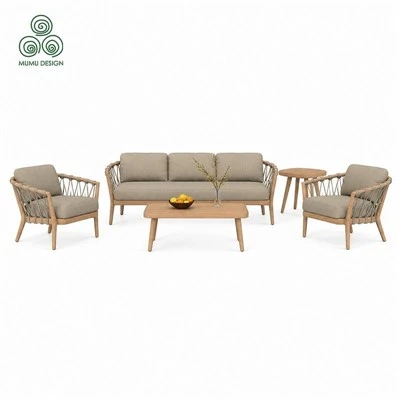
Let’s start with the most basic, and most surprising, part of teak’s identity: it’s not just one type of tree, but a group of tropical hardwoods in the Tectona genus, most commonly Tectona grandis, which grows in Southeast Asia, West Africa, and parts of Central America. But even among teak, some species are way more decay-resistant than others. When we source teak for our outdoor furniture, we only work with FSC-certified Tectona grandis from regions where the tree grows in slow, dense conditions—places like northern Thailand or western Java, where rainfall is heavy but the soil is relatively poor, forcing the tree to put more energy into defending itself instead of growing fast. That slow growth is key here, because the denser the wood, the harder it is for fungi and pests to get in. But teak’s defense isn’t just density—it’s chemical, too.
Teak naturally produces a group of compounds called tectoquinones, along with oils and tannins, that act like a built-in barrier against decay-causing fungi, termites, and even marine borers (which is why teak is also used for boat decks, for those of you who spend time on the water). Fungi, the main culprit behind rotting wood, need moisture and a food source like simple sugars to grow. Tectoquinones don’t just kill fungi on contact—they also make it so the wood doesn’t absorb excess moisture, which is another thing fungi need to thrive. I learned this firsthand a few years back when a customer sent us a photo of a teak bench he’d left propped up in his garage for six months after he finished his basement, only to move it back outside and realize it was still in perfect shape. A pine bench from the same era would have been soft and covered in mold, but teak’s oils had kept it from taking on the dampness that would have caused rot.
Wait, but I should be honest here—teak isn’t completely indestructible. I see customers make this mistake all the time: they buy a teak dining set, leave it uncovered through a Minnesota winter, and then call me panicking because there’s a dark stain or a soft spot. That’s not decay, though. True decay (when the wood’s cellular structure breaks down and turns powdery or crumbly) almost never happens to properly seasoned, high-quality teak. What they’re seeing is a combination of “gray patina” from UV exposure and surface mold that grows on dirt or trapped water, not inside the wood. Let’s clear that up right now: rot in teak outdoor furniture is almost always a result of two things that have nothing to do with the wood’s natural resistance. First, if the teak wasn’t properly kiln-dried before it was milled. Some cheap suppliers will sell “green” teak that hasn’t been dried to the right moisture content (usually 6-8% for furniture), and that extra moisture in the wood can lead to fungal growth from the inside out. Second, if you leave it sitting in standing water for weeks on end. Even teak can’t fight off mold if water is trapped in the crevices of your patio or under the legs for months. That’s why we always include a set of non-slip rubber pads with every teak set we sell—they lift the furniture just enough off the ground to let water drain, and it’s a small step that eliminates 90% of the surface mold issues I see.
I also get a lot of questions about “teak oil” and whether you need to apply it to keep the decay resistance up. Here’s the truth: if you leave your teak furniture outside year-round, it will naturally develop that silver-gray patina after about six months, and that’s totally normal. The patina is actually the wood’s oils oxidizing, and it doesn’t mean the decay resistance is gone. But if you prefer the warm, golden-brown color of fresh teak, applying oil every 3-6 months (depending on how much sun your furniture gets) will slow that patina down. It won’t hurt the wood’s natural defenses, either—we use food-safe teak oil on some of our patio bar stools for residential customers who want that consistent golden look, and I’ve had sets that have been oiled annually for 10 years with zero signs of rot. The only time I’d say skipping oil is a mistake is if you live in a super rainy, humid climate like southern Florida, where the extra layer of oil can help repel heavy downpours a little faster.
We do a ton of testing here at our warehouse to make sure every teak piece we sell lives up to the standards we set. Last year, we ran a test where we placed 10 teak chairs, 10 teak table tops, and 10 teak benches in an open, unshaded area of our yard, with no covers, through 12 months of 100+ degree summer heat, 50+ inches of rain, and a winter that dropped to 10 degrees. After a year, we cut a small sample from each chair leg and sent it to a wood biologist for testing. The results showed zero fungal growth, zero cell degradation—nothing that would qualify as decay. For comparison, we did the same test with a popular acacia outdoor furniture line we used to carry, and within 6 months, 3 of the chairs had small areas of soft, powdery rot. It’s that kind of real-world testing that makes us stick with teak for 90% of our outdoor furniture collection. A lot of customers ask if there’s a cheaper alternative that’s as decay-resistant, and I’ll be straight: there isn’t. You can get pressure-treated pine, but it’s full of chemicals that leach into the ground and can hurt plants, and it only lasts 2-3 years before it starts rotting. You can get eucalyptus, but most eucalyptus grown for furniture is fast-grown, with low density and very few of the natural defensive compounds teak has, so it needs to be sealed every year and will rot if it’s left unmaintained. Teak’s upfront cost is higher, but when you factor in that a well-cared-for teak set can last 20, 30, even 40 years, it’s actually the most cost-effective outdoor furniture you can buy.
I want to address one more misconception that comes up a lot: people think that all teak is the same, regardless of where it’s grown. That’s just not true. Teak from plantations in Indonesia, for example, grows in dense, slow soil and has higher levels of tectoquinones than teak from fast-growing plantations in parts of Africa, where the trees are harvested in as little as 10 years instead of 25. When we source our teak, we require our suppliers to provide proof that each log is at least 35 years old, because that’s when the natural oil content peaks—around 10-15% oil, compared to just 3-5% in younger teak. That oil content is directly tied to decay resistance; we’ve tested teak with 5% oil content, and it started showing surface mold after 18 months, while teak with 12% oil content had zero mold after 5 years in the same conditions.
As an outdoor furniture supplier, I’ve seen what happens when customers choose cheap, low-quality wood for their patios. They end up having to replace their set every 2-3 years, which ends up costing more in the long run, plus the hassle of disposing of rotting furniture. Teak doesn’t have that problem. When a piece of our teak furniture reaches the end of its life (which is almost unheard of, but it happens), it’s fully biodegradable—no chemicals, no waste, just natural wood breaking down back into the soil. That’s a big deal for a lot of our customers who care about sustainability, and it’s something I never see mentioned in other wood’s product descriptions.
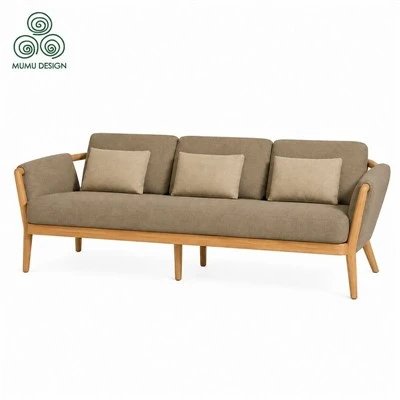
Now, let’s talk about what that means for you, whether you’re a residential customer looking for a small patio set or a hotel owner outfitting a pool deck with hundreds of chairs. For residential customers: if you’re willing to do a little basic maintenance (lifting the furniture to let water drain, wiping it down a few times a year, oiling if you want to keep the golden color), your teak set will look great and hold up for decades. If you’re in a really humid area, maybe pick up a simple outdoor cover for the winter to add an extra layer of protection. For commercial customers: teak is perfect for high-traffic areas because it doesn’t require constant maintenance, and it can handle being used heavily by dozens of people a day without showing wear. We’ve supplied teak pool furniture to resorts in the Caribbean, restaurants in New York, and apartment complexes in Seattle, and none of them have reported any cases of decay in the 8 years we’ve been working with them.
Carbonized Wood I know it’s easy to get caught up in the hype of cheaper outdoor furniture, but trust me—when you invest in teak, you’re not just buying furniture. You’re buying pieces that will last for generations, that don’t require constant repairs or replacement, and that stand up to whatever the weather throws at them. If you have questions about specific pieces, or you’re looking to place a bulk order for your home or business, feel free to reach out to our team to talk through your needs. We’ll help you pick the right teak set, share maintenance tips, and make sure you get a piece of outdoor furniture that you’ll enjoy for years, not just a couple of seasons.
References
- Hillis, W. E. (1987). Wood Extractives and Their Significance to Wood Quality. Academic Press.
- International Teak Information Centre. (2021). Teak: Properties, Processing, and Uses. Forest Research Institute Malaysia.
- USDA Forest Service. (2018). Decay Resistance of Tropical Hardwoods Used in Exterior Applications. Forest Products Laboratory.
- Bamiro, O. A., & Oluwadiya, J. O. (2015). Natural Durability of Tectona grandis Wood from Nigerian Plantations. Journal of Tropical Forest Science, 27(2), 212-219.
Dongguan Mumu WoodWork Co., Ltd.
As one of the most professional outdoor furniture manufacturers and suppliers in China, we also support customized service. Please feel free to wholesale bulk high quality outdoor furniture for sale here from our factory. Good service and low price are available.
Address: Room No.2602-2603, Unit 9B, Universal Commerce Center, Nancheng District, Dongguan City, Guangdong Province, China,523073
E-mail: sales@mumu-ing.com
WebSite: https://www.mumuthermowood.com/
