Hey there! If you’ve ever worked with centrifugal blowers, you know these things work their tails off to keep industrial processes running smoothly—whether that’s moving air in a factory, venting a wastewater treatment plant, or powering a dust collection system. But here’s the thing: all that hard work can take a toll on their motors, which are basically the heart of the blower. That’s where motor protection devices come in, and as someone who’s been supplying centrifugal blowers for years, I’ve seen firsthand how skipping proper protection leads to costly breakdowns, delayed projects, and headaches no one needs. Let me break this down in plain talk, not the jargon you’ll find buried in a manual. Centrifugal Blowers
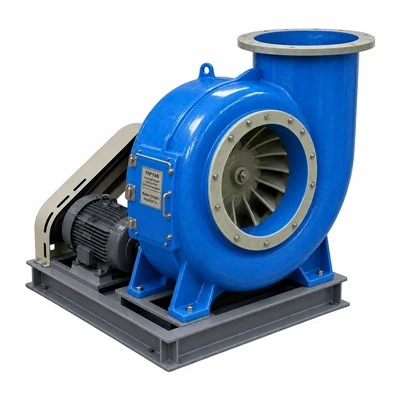
First off, why even care about motor protection for centrifugal blowers? Let’s be real: a centrifugal blower’s motor isn’t just spinning for fun. It’s handling constant load, sometimes running 24/7 in tough conditions—dust, humidity, fluctuating voltage, you name it. If the motor overheats, draws too much current, or experiences a voltage spike, it’ll fry fast. I’ve had clients come to me a day after their blower died, only to find out the motor burned out because they skipped a basic thermal relay. That’s a $5,000+ part plus labor, not to mention lost productivity. Motor protection devices are your safety net—they catch issues before they turn into full-blown failures.
Now, what are the main motor protection devices we actually use with centrifugal blowers? Let’s go through the ones I swear by (and recommend to every client, no exceptions):
-
Thermal Overload Relays (aka Thermal Relays)
This is the workhorse, hands down. Thermal relays monitor the motor’s current, right? Because too much current means the motor is working harder than it should—like when the blower’s impeller gets clogged with dust, so the motor has to push way more air than it’s designed for. The relay has little bimetallic strips that bend when they get too warm from excess current; when that happens, it trips the circuit and cuts power to the motor before it overheats. Wait, why not just use a regular fuse? Fuses are one-and-done—they blow and you have to replace them. Thermal relays reset (either manual or auto) after the motor cools down, which is way more convenient for continuous run applications like our blowers. I once had a food processing client whose blower kept tripping their fuses every time grain dust clogged the inlet; switching to a thermal relay fixed that, no more constant replacements. -
Motor Protection Circuit Breakers (MPCBs)
Think of these as a step up from fuses and basic thermal relays. MPCBs do two big jobs: overload protection (like thermal relays) and short-circuit protection. A short circuit is when a bare wire touches another, sending a huge burst of current—way more than the motor can handle. That’s a fire hazard and a motor killer. MPCBs can handle that instant surge, trip fast, and protect the motor and the whole electrical system. For centrifugal blowers that start up under load (which is common—they don’t always shut off before cleaning or maintenance), MPCBs have adjustable trip settings so you don’t get false trips when the motor is just starting up. A lot of our larger industrial blowers come with MPCBs already installed now, because clients don’t want to mess with troubleshooting random false trips during startup. -
Temperature Sensors (Thermistors or RTDs)
These are the quiet guardians. Unlike the above devices that monitor current, temperature sensors actually measure the motor’s internal temperature. Centrifugal blower motors can get hot from outside too—if they’re in a hot factory floor or near another heat source, even normal current can make them overheat. We stick thermistors (small, affordable sensors) right in the motor’s windings, and if the temp goes above a safe threshold, it sends a signal to a control panel, which either slows the motor down or shuts it off. RTDs (Resistance Temperature Detectors) are more accurate, so we use those for high-performance blowers like the ones used in aerospace or pharmaceutical plants where accuracy matters. I had a client in a steel mill where the blower was next to a furnace; installing thermistors stopped the motor from overheating even when the surrounding temp was 120°F—saved them from a breakdown that would’ve shut down their entire production line. -
Ground Fault Protection Devices (GFPDs)
Ground faults happen when electricity escapes from the motor’s wiring into the ground. That’s not just bad for the motor—it’s a safety risk for anyone working around the blower. GFPDs monitor the current going out and coming back from the motor; if there’s a mismatch (meaning some current is leaking to ground), they trip in milliseconds. We always recommend these for blowers in damp areas—like water treatment plants where there’s a lot of moisture, which can cause wiring corrosion and ground faults. Last year, a wastewater treatment plant client had a ground fault that would’ve shocked a maintenance worker if their blower didn’t have a GFPD. That’s the kind of protection that’s not just about saving equipment—it’s about keeping people safe.
Wait, is there a difference between protection for small centrifugal blowers vs. large ones? Totally. Our smaller, portable blowers (used for workshops or small ventilation) usually come with built-in thermal overload relays and basic MPCBs—they’re easy to install and don’t need extra fancy sensors. But our large, custom industrial blowers (for mining, power plants, big manufacturing facilities) get a full set: MPCB, thermistors, and even a ground fault monitor. Those blowers are worth a lot more, and downtime costs way more, so the extra protection is worth every penny.
A common mistake I see clients make is cutting corners on motor protection. Like, using a regular circuit breaker instead of an MPCB—regular breakers are for general wiring, not for motors that start under heavy load. Or skipping temperature sensors because “the factory isn’t that hot.” But heat builds up fast inside a motor, even if the air around it is cool. Another mistake is not resetting thermal relays correctly—if you trip one right after the motor overheats, you have to let it cool for at least 15 minutes; otherwise, you’ll just burn it out again. I always give clients a quick tip: label all your protection devices so the maintenance team knows what does what, and check them during regular blower inspections. That’s a simple thing that prevents so many issues.
As a centrifugal blower supplier, I don’t just sell the blower and walk away. I make sure my customers know what protection their blower needs, because that’s part of keeping their investment running. I even offer custom setups—if a client has a specific application, like a blower in a cold storage warehouse (where humidity is low but temp is below freezing), I’ll adjust the thermal relay settings to account for that, so it doesn’t trip when the motor is just starting up in the cold. I’ve been doing this for 12 years now, and the number one reason clients come back is because I don’t just sell them equipment—I help them take care of it.
So, to wrap this up: motor protection devices for centrifugal blowers aren’t some optional add-on—they’re essential. They keep the motor from burning out, prevent costly downtime, keep your team safe, and extend the life of your blower. Whether you’re running a small workshop blower or a 50-horsepower industrial unit, there’s a protection setup that fits your needs.
If you’re tired of dealing with blower motor breakdowns, or you’re planning to install new centrifugal blowers and want to make sure you’ve got the right protection in place, I’m here to help. We can walk through your specific application, figure out what devices you need, and get you set up so your blowers run smooth for years to come. Don’t wait until a breakdown hits—let’s connect and work out a solution that fits your budget and your needs.
Material Handling Fans References
- Miller, T. J. (2020). Electrical Protection for Industrial Motors. Industrial Press.
- National Electrical Manufacturers Association (NEMA). (2021). Standards for Motor Protection Devices. NEMA Publications.
- Carbaugh, R. (2019). Centrifugal Blower Maintenance and Safety Guide. HVAC&R Research Journal.
- Occupational Safety and Health Administration (OSHA). (2022). Electrical Safety for Industrial Equipment. OSHA Technical Manual.
Modern (Ningbo) Industrial Equipment Co., Ltd.
With abundant experience, we are one of the most professional centrifugal blowers manufacturers and suppliers in China. We warmly welcome you to buy customized centrifugal blowers made in China here from our factory. If you have any enquiry about quotation, please feel free to email us.
Address: No.283 Cilong East Road, Longshan Town, Cixi City, Ningbo City, Zhejiang, P.R. China
E-mail: rfq@modernindustrynb.com
WebSite: https://www.modernindustrynb.com/
