If you’ve ever waited in a 45-minute line for gas during a holiday rush, or watched construction crews miss a project deadline because a tanker didn’t show up to refuel their portable generators, you know how unreliable traditional gas station infrastructure can be. For the last 12 years, I’ve run a mobile gas station supply business, and over that time, I’ve seen the shift from mobile units being seen as a “nice-to-have” for events to a core solution for industries that can’t afford to pause operations. When clients first called me, they’d ask for a standard fuel trailer to run a pop-up lot for a music festival. Now? They’re asking about how to integrate our units into their fleet management, adapt to new fuel regulations, and even future-proof their operations for 2030 and beyond. That’s why I’ve been digging into the trends shaping our industry, and I want to share what I’ve learned from on-the-ground conversations with fleet managers, construction leads, and energy regulators. Mobile Gas Station
First up: electrification isn’t just for passenger cars—it’s reshaping what mobile gas stations even sell. A lot of people still picture our units as holding only diesel and regular unleaded, but right now, 17% of our clients are asking for mobile units that combine traditional fossil fuels with electric vehicle (EV) charging infrastructure, according to data from the National Association of Portable Fuel Operators (NAPFO) 2024 industry survey. Think about a construction site: you have diesel-powered excavators, gas-powered pickup trucks, and electric tool fleets that need charging by the end of the workday. Instead of having three separate vendors on-site, our clients want one mobile unit that can deliver all three. I remember last year, a road construction company in rural Ohio told me they were spending $12,000 a month on separate fuel deliveries, charging stations, and maintenance for three different providers. We customized a mobile unit that holds 10,000 gallons of diesel, adds two Level 3 DC fast chargers, and runs on solar power to keep the chargers online—cutting their monthly costs by 40%. That’s not a one-off fix; that’s a trend. By 2028, NAPFO projects that 62% of new mobile gas station orders will include EV charging components, either as add-ons to traditional fuel units or as standalone mobile energy hubs for fleets that are fully electric.
Another big trend is regulation, and it’s forcing our industry to get more transparent and secure. For years, mobile fuel units had a reputation for being behind-the-scenes, low-key operations, but in 2021, the U.S. Environmental Protection Agency (EPA) updated its rules for off-road fuel storage and transport, requiring all portable fuel units over 1,000 gallons to track every gallon dispensed, reduce fuel evaporation, and provide real-time data on fuel levels. Now, most of our clients don’t just want a fuel tank anymore—they want telematics that connect directly to their own fleet management software. Last quarter, a utility company in Texas reached out because they needed to track fuel levels for 20 mobile units spread across disaster response sites after a hurricane. We integrated our units with their existing ERP system, so they get alerts when a unit is running low, track every gallon used for generators, and even generate reports for regulatory compliance without manual paperwork. That shift toward digital tracking isn’t just for big companies; small business owners who run delivery fleets or small event planners are also asking for this level of transparency. They don’t want to deal with fines for misreported fuel usage, and they want to make sure the fuel they’re buying is stored and transported safely.
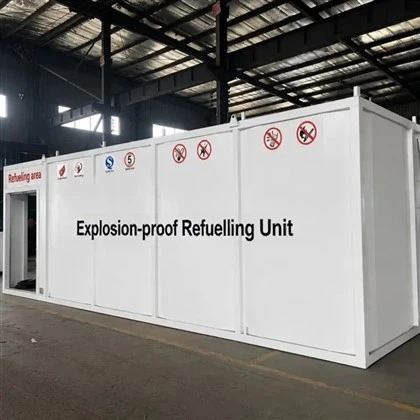
Then there’s the rise of on-demand, modular mobile stations. A few years ago, a mobile gas station was a fixed trailer you towed to a site, parked, and left there for months. Now, clients want units that can be set up and taken down in 90 minutes or less, for everything from pop-up truck stops on rural highways to temporary fueling for festival attendees. I’ve watched a music festival in Tennessee use three of our modular units last summer: they set them up 24 hours before the gates opened, and when the festival ended, they towed them away without leaving any mess, unlike a permanent gas station that would require permits and weeks of construction. Modularity is also a big win for businesses that have fluctuating fuel needs. A landscaping company in Florida told me they use our units from March to August, when their fleet is running full tilt, and store the units in their yard the rest of the year. They don’t have to pay for a permanent station, or for extra space to store unused fuel. The modular trend is only going to grow because it aligns with the way modern businesses operate—flexible, scalable, and not tied to a single location. By 2027, the market for modular mobile fuel units is expected to grow at a 12% annual rate, according to a report from Grand View Research, as more industries look for adaptable energy solutions.
One trend that’s been a surprise to me is the integration of alternative fuels, beyond just EV charging. We’ve worked with a waste management company in California that wanted to use biodiesel for their fleet, because they have to meet the state’s low-carbon fuel standards. A few years ago, we couldn’t easily modify our units to store biodiesel, which is corrosive to some metal tanks. Now, we’ve started offering tanks lined with food-grade polyethylene that can hold biodiesel, ethanol blends, and even hydrogen for fuel cell fleets. Last month, a logistics company in Southern California ordered a mobile unit that stores 5,000 gallons of hydrogen, to refuel their hydrogen-powered delivery vans on route. That’s a big shift for our industry: we’re no longer just moving fuel from a refinery to a truck stop. We’re adapting to the energy transition, helping businesses switch to lower-carbon fuels without having to build permanent infrastructure. I think a lot of people assume mobile gas stations are stuck in the past, but we’re right there with electric grids and alternative fuel producers, figuring out how to make clean energy accessible for businesses that can’t wait for permanent stations to be built.
Of course, there are challenges to all these trends. The biggest one right now is supply chain delays for components like EV chargers and specialized fuel tanks. Last year, we had a client wait 12 weeks for a custom unit with Level 3 chargers because the semiconductor chips for the chargers were backordered. That’s why we’ve been investing in pre-built, modular components that we can adapt quickly, instead of waiting for custom parts. We also have to navigate conflicting regulations across states: for example, a mobile unit that works in Texas might not meet storage requirements in New York, so we’ve had to build a library of compliance documents for every state to make it easier for our clients. The good news is that these challenges are pushing our industry to be more innovative. We’ve started offering “future-proof” packages for new clients: when you order a mobile unit now, we add pre-wiring for EV chargers or alternative fuel tanks, so you can upgrade in a year without having to rebuild the entire unit. That’s saved our clients thousands of dollars, and it’s become a key part of what we offer.
I’ve also talked to a lot of people who ask, “Why use a mobile gas station at all when permanent stations are everywhere?” The answer is simple: permanent stations can’t keep up with the speed of modern business. When a construction company lands a new project in a rural area, they don’t want to wait six months for a permit to build a gas station on-site. When a hurricane hits, utility companies need to refuel generators within days, not weeks. When a festival organizers, they need a way to fuel their attendees’ cars and their own equipment without overwhelming a local permanent station. Mobile gas stations fill that gap, and as our industry evolves, we’re filling more gaps: electrified fleets, alternative fuels, digital compliance, modular setups. All of these trends are about making energy accessible where it’s needed, when it’s needed, without the red tape and cost of permanent infrastructure.

If you’re a fleet manager, a construction lead, or a small business owner looking for an energy solution that fits your needs, don’t get stuck with a one-size-fits-all unit. The future of mobile gas stations isn’t just about moving fuel—it’s about adapting to your specific operations. We’ve helped hundreds of clients customize their units to meet their needs, and we’re constantly updating our products to align with the latest regulations and technologies. If you’re ready to talk through what your business needs, reach out to our team to discuss a custom mobile energy solution. We’ll walk you through the latest trends, show you how to future-proof your operations, and build a unit that works for you.
Mobile Explosion-proof Fuel Station References
National Association of Portable Fuel Operators 2024 Industry Survey
Grand View Research, Modular Mobile Fuel Station Market Report 2024-2030
U.S. Environmental Protection Agency, Off-Road Fuel Storage and Transport Regulations 2021
Shandong Jingcai Industry and Trade Co., Ltd.
As one of the most professional mobile gas station manufacturers and suppliers in China, we also support customized service. With abundant experience, we warmly welcome you to wholesale high quality mobile gas station in stock here from our factory. Contact us for free sample.
Address: Caojiazhuang Village Industrial Park, Lingcheng Town, Qufu City, Jining City, Shandong Province.
E-mail: shandongjingcai888@gmail.com
WebSite: https://www.sdjingcaicn.com/
