If you’ve ever stood next to a hot rolling line when it’s humming, spitting out 1,000°F steel like it’s nothing, you’ve probably wondered how that thing doesn’t shake itself apart mid-shift. I’m Jake, been selling hot rolling equipment for 12 years, worked with mills from small job shops to big steel giants across North America. Let me tell you—90% of the breakdowns and off-spec coils you hear about? They don’t come from broken bearings or worn rollers. They come from a bad foundation. Hot Rolling Equipment
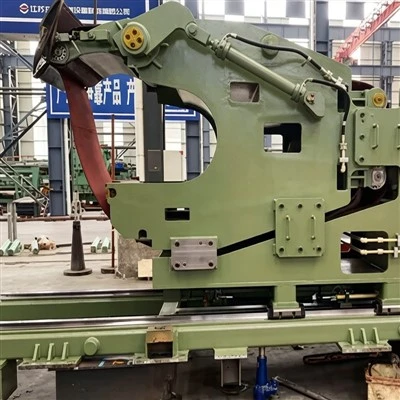
I used to work with a mill in Ohio that had a $2M hot strip line installed in 2019. First two years, they were shutting down every three weeks for frame misalignment. The owner swore he bought the best machines. Turned out the contractor they hired for the foundation cut corners—they poured concrete with the wrong mix, skipped the rebar grid, and didn’t account for the line’s dynamic load. By the time we showed up to tweak alignment, they’d already wasted 150+ hours of production. That’s why I always drill into new clients: the foundation isn’t just a cement slab. It’s the backbone that keeps every roller, motor, and hydraulic system working.
First up, don’t skimp on pre-install site prep. A lot of guys show up, dig a hole, pour concrete, and call it a day. Wrong. You’ve got to dig down below the topsoil layer—like, 3 to 5 feet below grade, depending on where the mill’s at. Topsoil shifts when it gets wet, freezes in winter, settles over time. If your foundation sits on that? It’s not a solid base. We had a mill in Michigan that learned this the hard way. They poured a slab in 2020 without digging deep enough, and two years later, the whole line tilted 2 degrees. Now they’re not only fixing the foundation but replacing 40 feet of rollers because the misalignment ruined the edges.
You also need to test the soil bearing capacity before you even pick up a shovel. Soil that’s loose sand has a bearing capacity of like 2,000 psi, but compacted clay can hit 5,000 psi hot rolling lines that put out 1,500 tons of dynamic load need at least 3,000 psi minimum. If your soil is too weak? You can’t just pour a thicker slab. You need to add aggregate or steel piles. I had a job in Texas where the soil was loose caliche—way too soft. We drilled 12 steel piles down 15 feet to bedrock, then built the foundation on top of that. That mill hasn’t had a foundation-related shutdown since.
Next, get the concrete mix right. Not all cement is made equal for hot rolling foundations. You can’t use the same mix you’d use for a patio. Hot rolling lines vibrate nonstop, and the slab has to handle extreme temperature swings when you fire up the line. We recommend a mix with at least 12% cement, 20% fly ash (it adds strength and reduces shrinkage), and small aggregate no bigger than 1 inch. Skip big chunks of stone—they create weak spots in the concrete. And don’t forget rebar. Use #4 or #5 rebar, set it in a grid 12 inches apart both ways. It’s cheap insurance, but without it, the concrete will crack when the line vibrates. That Ohio mill I mentioned earlier? They skipped the rebar, so the entire slab cracked within a year. They ended up tearing it out and starting over.
Wait, and temperature control is a big one most people miss. When a hot rolling line runs, it heats up the foundation. If the concrete heats unevenly, it expands differently and cracks. So you need to build the foundation with temperature joints every 20 feet. These are gaps cut into the slab that let it expand and contract without breaking. Also, don’t pour concrete on a hot day, and don’t let it dry too fast. Use a curing compound to keep it moist for at least 7 days. I’ve seen guys pour concrete in 90°F weather and then blast it with fans to dry fast. The concrete cracks before it even hardens. That’s a waste of money and time.
Then, alignment is make-or-break. A lot of contractors rough-set the foundation, then wait until the line is installed to adjust. That’s backwards. You need to anchor the equipment to the foundation before you pour? No, wait—you need to leave anchor bolt pockets in the concrete. Once the concrete cures, you level the foundation with shims, then set the anchor bolts. Let me explain: anchor bolts hold the equipment to the slab, so if the foundation is off, the whole line is off. We always use laser levels for this. A buddy of mine used a spirit level once and missed by ¼ inch. That doesn’t sound like much, but it’s enough to make the rollers misalign, leading to edge cracks in the steel. If you’re not comfortable doing this yourself, hire a third-party alignment expert. It’s $2,000-$3,000, but way cheaper than shutting down a $500k line for a week.
Also, account for future expansion. I worked with a mill that bought a hot rolling line in 2017, and by 2021, they needed to add a 20-foot extension for a new coil processor. They didn’t leave room in the foundation, so they had to tear out 15 feet of slab to add the new section. That cost them $100k in extra labor and 2 months of downtime. So when you design the foundation, leave extra space—at least 10 feet on each side of the line, and a little extra length if you think you might expand. You never regret planning ahead.
Let’s talk about common mistakes I see all the time. First, skimping on soil testing. I’ve had clients say “the contractor said the soil is fine.” Half the time, the contractor cuts corners on soil tests to save $500. That’s a $100k mistake. Second, using cheap concrete. Some guys buy the lowest bid on concrete, which has too much water in it. Watered-down concrete is 30% weaker than it should be. Third, not maintaining the foundation after installation. Once the line is up, you should inspect the foundation every 6 months. Look for cracks, check anchor bolts for tightness, test alignment. Small fixes now prevent big shutdowns later.
I’ll give you a quick example of what a good foundation looks like. Last year, a small job shop in Indiana reached out to us. They had a used 10-ton hot rolling line, but their old foundation was cracked and wobbly. We helped them hire a geotech to test the soil—turned out the soil was fine, but they needed 4 feet of digging, rebar grid, and a concrete mix with 14% cement. They followed our recommendations: prepped the soil right, poured concrete with a curing compound, set anchor bolts with a laser level. Now their line runs 18 hours a day, 6 days a week, no alignment issues, no foundation-related breakdowns. They saved $40k in the first 6 months from not having to repair misaligned rollers.
Here’s the thing: hot rolling equipment is a big investment, but the foundation is the one part that makes or breaks its performance. You can have the best rollers, the fastest motors, the newest hydraulics, but if your base is shaky, you’re leaving money on the table. Downtime costs mills thousands of dollars an hour, and most of that downtime could be avoided with a properly built foundation.
If you’re planning to install a new hot rolling line, or upgrade an old one, and you’re not sure where to start with the foundation, reach out. We’ve worked with hundreds of mills to make sure their foundations are solid, no cutting corners, no hidden mistakes. We can connect you with geotech experts, concrete contractors, and alignment specialists who know hot rolling equipment inside and out. Don’t let a bad foundation derail your project before it even gets started.
Hot Rolling Equipment References
- American Society of Civil Engineers (ASCE) – Guidelines for Industrial Foundation Design, 2021
- Steel Manufacturers Association (SMA) – Best Practices for Hot Rolling Mill Installation, 2020
- Federal Highway Administration (FHWA) – Concrete Mix Design for Heavy Industrial Equipment, 2019
- International Association of Structural Engineers (IASE) – Soil Bearing Capacity for Heavy Machinery, 2022
Jiangsu Dongfang Whole-Set Equipment Manufacturing Group Co., Ltd.
We are one of the most professional hot rolling equipment manufacturers and suppliers in China, also support customized service. With abundant experience, we warmly welcome you to buy durable hot rolling equipment from our factory. If you have any enquiry about pricelist, please feel free to email us.
Address: No. 9, Industrial Park, Xinqiao Town, Jingjiang City, Jiangsu Province
E-mail: dfctwm@163.com
WebSite: https://www.dongfangequip.com/
