If you’re an Android Poc Radio user—whether you’re a small business manager coordinating a field team, a community organization handling emergency response, or a regular person juggling multiple communication tools—you’ve probably faced that frustrating moment: your radio app has all the right contacts for your daily shifts, but your phone’s address book, WhatsApp, or Slack has a different set, and manually updating each one takes half your shift before you can even start work. As a supplier of reliable Android Poc Radios, I talk to customers every week who tell me synchronization issues are one of the top pain points when setting up their devices. It’s not just about saving time; when you’re relying on real-time communication with teams that might be spread across a worksite, a disaster zone, or a multi-department office, out-of-sync contacts can lead to missed calls, delayed responses, or even safety errors. Today, I want to walk you through how to sync contacts between your Android Poc Radio and other apps effectively, share the most common mistakes I see customers make, and explain how our radios are built to work seamlessly with the tools you already use. android Poc Radio

First, let’s get clear on what “Android Poc Radio synchronization” actually means for your use case. Poc Radio (Push to Talk over Cellular) works by linking your radio to your phone’s data plan, so your contacts are stored either on the radio’s native contact list, the app’s cloud server, or your device’s local address book. Synchronization here means making sure those three locations match: when you add a new contact to your phone’s WhatsApp, it automatically appears in your radio’s contact list, and when you update a team member’s number in the radio app, that change shows up in your phone’s main contacts. For our radios, we designed the sync feature to avoid the rigid, one-way links that many cheaper devices use—too often, those only let you pull contacts from your phone once during setup, and after that, you’re stuck manually adding every new team member. Our model lets you choose between one-way sync, two-way sync, or even partial sync for specific teams, so you don’t have to clutter your radio’s contact list with personal numbers you only use for texting.
Let’s start with the most straightforward method: syncing your radio with your phone’s native address book. Most Android Poc Radios come pre-installed with a dedicated contact manager, and the first step here is making sure the app has permission to access your phone’s contacts. This is a step I can’t stress enough, because I’ve seen dozens of customers skip it and wonder why none of their contacts show up. To check permissions, go to your phone’s Settings, find Apps or Applications, select your Poc Radio app (usually named something like “Poc Radio Pro” or our brand’s “TeamTalk”), then tap Permissions. Make sure “Contacts” is toggled on—if it’s off, the app can’t pull or push contact data. Once permissions are set, open the radio app, navigate to the Contacts tab, and look for a menu button (usually three dots in the top right corner). Tap that, and you’ll see an option like “Sync with device contacts.” For one-way sync (from your phone to the radio), that’s all it takes to get all your existing contacts into the radio. If you want two-way sync, you’ll need to toggle a separate option; this lets you edit a contact’s number in the radio app and have it update in your phone’s address book, and vice versa. The key here is that you should only use two-way sync if you’re the sole administrator of your contacts—if multiple people in your team edit numbers, you might end up with duplicates.
Next, syncing with third-party apps like WhatsApp, Slack, or Microsoft Teams—tools that many teams use for both casual communication and work updates. This is where a lot of people get confused, because these apps store contacts separately from your phone’s address book, and syncing them requires a middle step. Our team tested this with all the most popular apps, and the most reliable method is to export the contact list from the third-party app as a .vcf (virtual contact file) first, then import that file into your Poc Radio app. Let’s break that down: for WhatsApp, open the app, go to Contacts, select the three-dot menu, and choose “Export contacts.” You’ll save a .vcf file to your phone’s storage. For Slack, go to your workspace, click on the channel you use for team communication, and export the team’s contact list via the Admin tools (note: you’ll need admin permissions for this, which makes sense—you don’t want everyone exporting the contact list). Once you have the .vcf file, open your Poc Radio app’s Contacts menu, tap “Import contacts,” and select the .vcf file from your downloads folder. This method works for most third-party apps, and it avoids the problem of duplicate contacts that comes with trying to link direct API connections. A common mistake here is trying to sync in real-time between the radio and the app without exporting a file—many people assume the radio can directly access WhatsApp’s contact list, but third-party apps don’t allow that for privacy reasons, so the .vcf export is the workaround that keeps your data safe while still letting you sync.
We also built a cloud sync feature into our Android Poc Radios, which is a game-changer for teams that work across multiple devices or need access to contacts on the go. Our cloud-based contact manager lets you store all your contacts in a secure server, so you can sync them to your radio, your work phone, and even a tablet if you need it—no matter where you are, as long as you have an internet connection. To set this up, you’ll first need to create a free account on our radio’s cloud platform (it only takes a minute, no credit card required). Then, go to your phone’s address book or third-party app, export your contacts to a .vcf file, and upload that file to the cloud dashboard. From there, you can log into your Poc Radio app on your phone, and the cloud will automatically sync your contacts within 5 minutes (we built a 5-minute delay to avoid overloading our servers, which means you won’t see lag during your shifts). The best part of cloud sync is that you can create contact groups—like “Field Crew” or “Office Admin”—and only sync specific groups to your radio. If you’re a construction manager, for example, you might only want to sync the Field Crew group to your radio, so you don’t see the Office’s administrative staff numbers when you’re on a worksite. That’s a feature many of our competitors don’t offer, and it’s one of the reasons we get such positive feedback from teams that need to stay focused on their communication.
Now, let’s talk about common mistakes that people make when trying to sync their contacts, because these are the issues that lead to frustrated calls to our support team. The first mistake is ignoring duplicate contacts. When you sync two different sources (like your phone’s address book and WhatsApp), you’ll often end up with two entries for the same person—one with their cell number, one with their work number. The fix here is to use your radio’s built-in “Merge Duplicates” tool, which you can find in the Contacts menu. The tool automatically compares names and numbers, and you can choose to merge them into a single entry with both numbers, or delete the duplicate. A second mistake is not backing up your contacts before syncing. If you’re using two-way sync and you accidentally delete a contact, it will disappear from both your phone and your radio. We always recommend exporting your contacts to a .vcf file before making major sync changes, so you can restore them if something goes wrong. The third mistake is trying to sync without a stable internet connection. While our radios work offline for basic PTT communication, contact sync requires data or Wi-Fi—if your phone is in a area with no service, your sync won’t happen until you reconnect. That’s a good rule of thumb to remember: if you’re setting up a new sync, make sure you’re connected to a reliable internet source first.
We also want to address a specific use case that comes up a lot with our customers: emergency services and remote teams that work in areas with limited connectivity. For these teams, manual sync might not be practical, so we built an offline sync option that lets you sync contacts when you do have service, and store them locally on the radio. The offline storage feature saves your contacts directly to the radio’s internal memory, so you can access them even when you’re in a forest, a construction site, or a disaster zone with no cell service. To use this, just turn on “Local Sync” in your radio app’s settings—this will automatically sync your contacts whenever you have a connection, and keep a copy saved locally. We’ve tested this with rural fire departments, where crews might go days with no service, and the local sync ensures they always have the right contact numbers for their team.
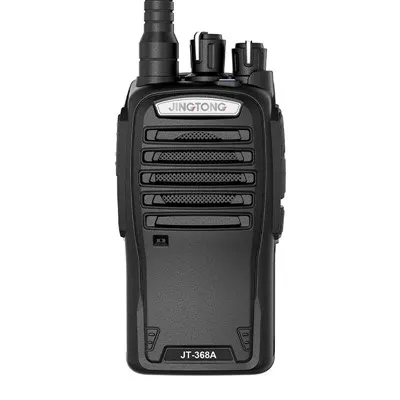
At the end of the day, the goal of contact synchronization is to make your communication easier, not more complicated. Our Android Poc Radios are built for people who rely on clear, real-time communication, so we designed the sync features to be simple, flexible, and secure. If you’re still struggling to get your contacts synced between your radio and other apps, or if you’re looking for a Poc Radio solution that fits your team’s specific needs, we’re here to help. Whether you’re a small business just starting out or a large organization with dozens of crew members, we can customize the sync settings to match your workflow, so you don’t have to waste time manually updating contacts during your busy shifts. If you’re ready to learn more or place an order, get in touch with our team to discuss your requirements.
3 Watt Walkie Talkie References:
- Android Developer Documentation: Contact Permissions and Syncing
- Push-to-Talk over Cellular (PoC) Industry Standards: Contact Management for Mobile Radios
- Small Business Communication Tools Report: 2024
- Android Open Source Project: .vcf File Import/Export Guidelines
Jingtong (Quanzhou) Electronics Co., Ltd.
We are one of the most professional android poc radio manufacturers and suppliers in China, specialized in providing high quality customized service. We warmly welcome you to buy durable android poc radio made in China here from our factory. For price consultation, contact us.
Address: No.288, Si Huang Industry Zone, Xia Mei Town, Nan An, Quanzhou, Fujian province, China 362302
E-mail: jtdjj@jtdjj.com
WebSite: https://www.jteradio.com/
