Hey there, thanks for popping by—if you’ve ever stared at a bolt of 2/2 twill fabric and wondered, “How heavy is this actually, and does it even matter?” you’re in the right spot. As someone who’s been sourcing, cutting, and shipping 2/2 twill for almost a decade now (I still get excited when I see a good, tight weave), this is the question I get more than any other, next to “Can you make this not shrink?” Today we’re diving into the science of 2/2 twill weight, breaking it down like we chat over coffee—no stuffy textile jargon that makes your eyes glaze over. 2 2 Twill Weave
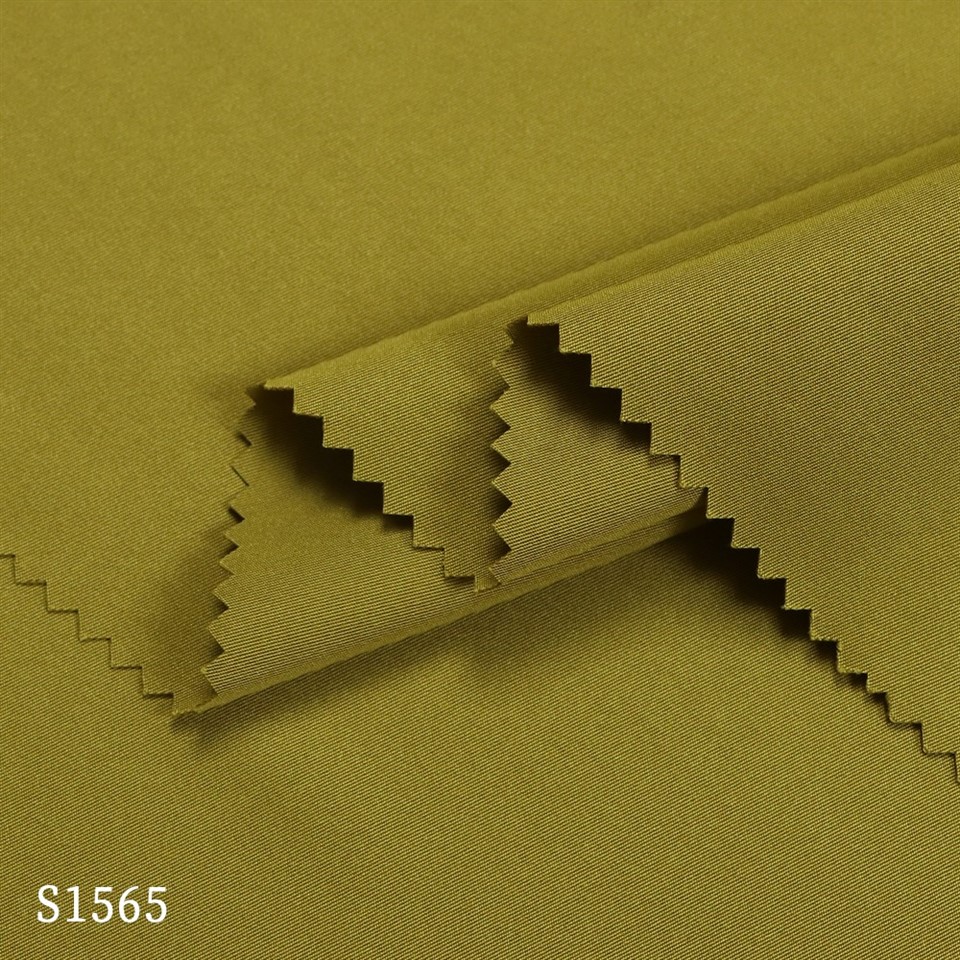
First off, let’s get one thing straight: when we say 2/2 twill, we’re talking about how the threads cross each other on the loom. Unlike a plain weave, where each thread goes over one, under one, the 2/2 part means two warp threads (the ones running lengthwise on the fabric) go over two weft threads (the crosswise ones) before switching. That “step” is what makes twill feel softer, drape better, and way more durable than plain weave—think jeans, work shirts, heavy-duty tote bags, maybe even the lining for a tough tool case. All that overlapping affects weight, yeah, but it’s not the only factor.
A lot of new buyers (and even some small clothing brands I work with) think weight is just a random number. No way—textile weight is measured two common ways, and I see so many people mix ’em up. There’s ounces per square yard (oz/yd²) which is what almost everyone in the U.S. uses, and grams per square meter (gsm) which is standard everywhere else. For 2/2 twill, the sweet spot I stock is usually between 7 oz/yd² (around 235 gsm) and 12 oz/yd² (about 405 gsm). But why such a range? That’s all about what customers need.
Let’s break down the most common weights, because most people don’t need a 10-oz twill for a light summer shirt, right? The lower end, 7 to 8 oz/yd², is what I call “everyday twill.” It’s lightweight enough for a button-down work shirt or a casual jacket liner, doesn’t feel bulky when you layer it, and it’s breathable—great for someone living in a place that doesn’t get freezing cold year-round. I sold a ton of this stuff last spring to a small sustainable clothing brand making lightweight overshirts; they told me their customers loved that it folded small for hiking gear, and never complained about it being too flimsy.
Then there’s the middle range, 9 to 10 oz/yd². This is the workhorse 2/2 twill, honestly. That’s what I use for most of my bulk orders for work pants, shop aprons, tool bags—stuff that needs to hold up to scrapes, spills, and being stuffed in the back of a truck. My regular construction client swears by this weight for their uniform pants; they say it doesn’t tear when someone catches it on a nail, and it doesn’t fade as fast as lighter twill after a few washes. I tested a batch of this myself last year: I left a scrap in my garage for 6 months, dragged a ladder over it, spilled motor oil on it, washed it once (quick wash, no fancy detergent), and it still didn’t fray or stretch weird. That’s the magic of that middle weight.
Now the heavy stuff, 11 to 12 oz/yd². This is the tough guy twill. I keep this in stock for customers making heavy-duty gear: motorcycle riding pants, industrial work overalls, even outdoor gear like rain pants (as long as it’s coated, but the base fabric is this weight). This is where the 2/2 weave really shines—all that overlapping thread gives it that thickness that can take a beating without being stiff. I had a guy come to me last month who makes custom leather tool rolls; he wanted a twill backing that wouldn’t wear through the leather edges, and 12 oz was perfect for him. It’s not as soft as the 7-oz stuff, but it’s got structure, which is exactly what he needed.
But wait—you can’t just look at that oz/yd² number and call it a day. There are three big variables that change the weight of your 2/2 twill, and if you ignore these, you’ll end up with fabric that’s way heavier or lighter than you expected. First up is the fiber content. Most of my 2/2 twill is cotton, but I also do blends: cotton-poly, polyester, even a little linen-cotton for something lighter and more wrinkly (great for summer shirts). Cotton is denser than polyester, so a 9-oz cotton twill will feel heavier than a 9-oz cotton-poly blend. Polyester is lighter, so if someone orders a 10-oz polyester 2/2 twill, it’ll actually be almost a full oz lighter per square yard than the same weight in cotton. That’s a mistake I see new buyers make all the time—they go by the number on the label, not the fiber.
Second variable is thread count. Thread count is how many warp and weft threads are in a square inch of fabric, right? A higher thread count means more threads packed tighter together, so more fabric = more weight. I’ve gotten requests for 2/2 twill with a really high thread count for a luxury work shirt—they wanted it durable but soft, not like the scratchy work pants from the 90s. I was able to get a 9-oz twill with 100 threads per inch (warp + weft) that felt almost like a good quality shirt, but still held up to grime. If you lower the thread count, you get a lighter fabric that’s more breathable, but it’ll fray easier. That trade-off is something every buyer has to decide for themselves.
Third? Width of the fabric. Wait, that’s a big one I never thought much about until a customer flipped out on me last year. They ordered 50 yards of 9-oz twill, showed up to pick it up, and said it felt way lighter than the 9-oz they usually buy. Turned out, they ordered the standard 60-inch width, but the one I had was 54 inches. Ounces per square yard is per yard of fabric, regardless of width—so a narrower bolt of 9-oz twill will weigh less per linear foot than a wider bolt. If you’re buying by the yard, always check the width. That’s the mistake they made, and I’ve started adding a little note on every order confirmation now: “Oz/yd² is per square yard; linear yard weight will vary by fabric width.”
Let’s also talk about what “normal” vs. “heavy” vs. “light” actually means for 2/2 twill, not just my numbers. I’ve checked with the Textile Institute (a real, non-snobby group that does fabric testing) and their data lines up with what I’ve seen in 10 years: standard 2/2 twill is 7-10 oz/yd², heavy-duty is 10-12 oz, and lightweight is 5-7 oz. I don’t even stock the 5-oz stuff because I’ve found it’s too flimsy for almost anyone—you’d need a lining for anything that’s going to get touched or worn a lot. The only people who ask for 5-oz are the ones making temporary costumes for Halloween, and even then I tell them they can get a better deal on a cheaper plain weave.
Another thing that confuses people: pre-washed vs. unwashed fabric. If you’re making clothes, you need to pre-wash your fabric first, right? Unwashed twill might be slightly heavier because it hasn’t had any of the manufacturing shrinkage removed. My pre-washed fabric is usually 0.5 to 1 oz lighter than the unwashed roll, because cotton shrinks a little when it gets wet. I always tell customers, if you’re going to cut and sew, get pre-washed—you’ll avoid having your shirt shrink 2 sizes after the first wash. That’s a big selling point for me, because a lot of suppliers skip pre-wash to save money, and their customers end up mad.
Wait, let’s get specific with numbers so you don’t have to guess. Let’s take a standard 60-inch wide, 100% cotton 2/2 twill: 8 oz/yd² means each linear yard (a yard long, 60 inches wide) weighs about 2.67 pounds. 10 oz is 3.33 pounds per linear yard, 12 oz is 4 pounds. If it’s a cotton-poly blend (65% cotton, 35% polyester), a 10-oz linear yard is about 3.1 pounds, lighter because the polyester is less dense. That’s handy if you’re calculating shipping costs or how much fabric you can haul in your truck, right?
I also get asked all the time: “Does 2/2 twill weight matter for performance?” Absolutely. If you’re making work pants that will be worn 8 hours a day on a construction site, you need the 9-10 oz stuff—too light, and you’ll be patching them every week. If you’re making a lightweight summer overshirt, 7-8 oz is perfect—heavy enough to not be see-through, light enough to layer under a jacket in the fall. I had a kid last month who made custom backpacks for hikers; he uses 8.5 oz twill because it’s tough but doesn’t add too much weight to the backpack when it’s empty. That’s the sweet spot for him.
Now, let’s talk about myths, because there are so many. Myth #1: “All twill is the same weight.” Nope. I’ve seen 2/2 twill ranging from 5 oz to 14 oz, and the 14-oz stuff is like a thick canvas, good for making small tents. That’s not even what most people would call twill, but technically it is. Myth #2: “Higher oz/yd² means better quality.” No way. A high thread count 7-oz twill is way higher quality than a low thread count 12-oz twill. The low thread count one will fray and stretch after a few washes, even if it’s “heavier” on the label. Myth #3: “Weight is universal across suppliers.” I once had a customer compare my 9-oz twill to another supplier’s “9-oz” twill, and theirs was a full oz lighter, because they skimped on thread count. I always send swatches with my orders, so people can feel the difference before buying bulk—no surprises.
So, what should you actually ask for when you’re looking for 2/2 twill weight? Start with the use case. If it’s work pants, go 9-10 oz cotton. If it’s a summer overshirt, 7-8 oz. If it’s a heavy-duty bag or overalls, 11-12 oz. If you’re using a blend, remember that polyester will make it lighter, so adjust accordingly. And always confirm fiber content, thread count, and fabric width if you’re ordering bulk—those are the three things that will make your actual weight different from the label number.
At the end of the day, 2/2 twill weight isn’t some random number that textile companies throw at you to confuse people. It’s a balance of what you need the fabric to do: be soft, be tough, be light, be durable. I’ve been doing this long enough that I can tell you the weight just by squeezing a scrap in my hand, but for new folks, that range I mentioned earlier is your safe bet.

If you’re looking for 2/2 twill for your next project—whether it’s a line of workwear, custom gear, or whatever—hit me up to chat. I can send swatches of all the weights I keep in stock, break down exactly what each one is best for, and get you a quote that fits what you need, no hidden fees or confusing jargon. We’ve worked with small clothing brands, construction crews, and even a few costume shops over the years, so I know how to match the right twill weight to your project.
Broken Twill References
Textile Institute. (2021). Technical Guide to Woven Fabric Construction. Textile Institute Publications.
Smith, L. (2019). Practical Textile Science for Small Manufacturers. Sewn Goods Press.
O’Connor, M. (2022). A Beginner’s Guide to Twill Weave Specifications. Thread Magazine.
Shaoxing Huichao Textile Co., Ltd.
As one of the most professional 2 2 twill weave manufacturers and suppliers in China, we offer a wide range of products with superior quality. Please feel free to wholesale bulk high-end 2 2 twill weave in stock here from our factory. Good service and reasonable price are available.
Address:
E-mail: darrenzhong@huichaotextile.com
WebSite: https://www.huichao-textile.com/
