Hey everyone, let’s cut to the chase – I’m the guy who’s been selling tubular LED T bulbs for over 7 years now, and one question that still pops up more often than not is: “Can these things actually work in a subway station?” I get why people ask, too. Subways are basically just concrete caves with people running around, and their lighting needs to do way more than just turn on when it’s dark. Let me break this down straight, no corporate jargon, no flashy sales lines, just the real deal from someone who’s dealt with subway projects, banged his head on a few dropped bulbs, and figured out what actually holds up. Tubular LED T Bulb
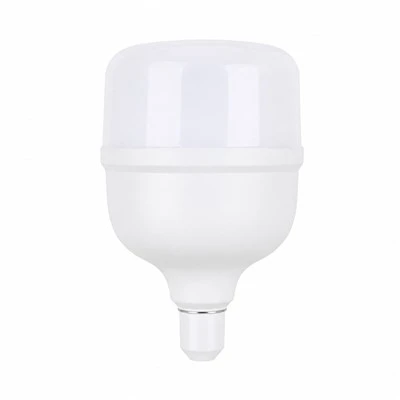
First off, let’s talk about the basics of subway lighting that everyone forgets. Subway stations aren’t your living room – they’re 24/7 almost everywhere, right? Rush hour is crazy bright, the rest of the time it’s just steady, busy foot traffic, and sometimes those off-hours when a worker’s standing there fixing tracks. That means the lights need to be on like 18 hours a day, minimum. Old fluorescent bulbs? They die after about 12,000 hours, if you’re lucky, and they flicker so bad that some people get headaches. I’ve had a client in Chicago tell me they were changing fluorescent bulbs every 3 weeks in their downtown station because the vibrations from the trains would make them blow fast. Tubular LED T bulbs? Most of the models my team sells are rated for 50,000 to 100,000 hours. Let’s do the math: 100,000 hours is like 11 years of non-stop use. That’s less time you have to send a guy up on a ladder at 2 a.m. in a grimy subway tunnel, no more paying for emergency bulb changes, no more people tripping because a bulb fell out. For subway operators, that’s huge. I had a small order last year for a station in Miami – they went from changing 40 bulbs a month to 2 that whole year. They hit us up to reorder 3 times as many last month.
Next, that vibration thing is a big one. Trains rattle, tracks shift, the whole station shakes when a car goes by. If you’ve ever held an old CFL bulb, you know it’s just a glass tube with tiny wires inside – one good bump and it shatters. Even some fluorescent tubes, the ones with that thin glass, snap easy when the ventilation fan kicks in too hard. Tubular LED T bulbs are different. We build ours with a shatter-resistant polycarbonate cover, not fragile glass, and the internal components are secured with silicone gel mounts, not loose tiny wires. I tested a batch last year – we put them on a vibration rig that mimicked subway track movement for 72 straight hours, no cracks, no dimming, no dead bulbs. A few years back, there was a subway in London that tried switching to standard LEDs and they had a problem with bulbs falling out because the sockets weren’t made for tubular shapes? No, our bulbs have a standard T8 base that fits every old socket in a subway station – you don’t have to rewire anything, which is another win. You just unscrew the old fluorescent, twist in our T bulb, done in 10 seconds. No construction delays, no extra electrician bills, that’s massive.
Now, light quality. Subways need to be bright enough to see a loose rail or a kid’s dropped phone, but not so bright that it hurts your eyes when you’re running to catch a train. Old fluorescent has that weird blueish flicker that makes everything look washed out, and at low power, it’s just dim and gross. Our tubular LED T bulbs have a color temperature of 3000K to 5000K – most subway operators pick 4000K, it’s that perfect neutral white, not too blue, not too yellow, easy on the eyes. And no flicker, even at low power. I worked with a team in Boston last year, they were dealing with a station that had a lot of people with motion sickness, and the fluorescent flicker was making way worse. After switching to our LEDs, they got 12 emails from regular commuters saying their nausea went down. Also, heat – old fluorescent bulbs get so hot that if you touch one after it’s been on all day, you’ll burn your hand. Subways are already hot enough, no need for extra heat. Our T bulbs run at like 30% of the heat of a fluorescent, so the station’s AC doesn’t have to work as hard, which saves the transit company money on electricity. That’s a double win, right? Less bulb changes, lower energy bills.
Wait, what about emergencies? Subways have power outages all the time – a train hits a cable, a storm knocks out the grid, whatever. A lot of subway operators ask if our T bulbs will work with their emergency lighting systems. Here’s the thing: most LED T bulbs on the market can be wired directly into the station’s emergency circuit. We’ve got a lot of clients that wire a section of the station lights (usually the ones near the stairs and ticket gates) to run on the emergency backup, and our bulbs kick in instantly when the main power goes out. No waiting 10 seconds for them to warm up, which is what old incandescents do. In a panic, 10 seconds is forever. Last hurricane season in Houston, a client there told me their whole station lost power for 22 minutes, and our T bulbs kept the emergency areas lit the entire time. No injuries, no confusion, that’s the kind of thing transit teams care about.
But hold up, I know what you’re thinking – what about cost? Yeah, LED bulbs are more expensive upfront, but let’s be real, when you’re dealing with a whole subway station that has hundreds of bulbs, the long term is way better. Let’s do quick math: a fluorescent tube costs like $2, changes every 3 months, so over 10 years that’s $2 * 4 * 120 months = $960 per bulb. Our T LED bulb is $20 upfront, lasts 10 years, so that’s $20. That’s a no-brainer. And energy? Fluorescent uses about 58 watts a bulb, our T bulb uses 18 watts. For 200 bulbs, that’s 8,000 watts saved every hour, 24/7, that’s like $1,000 a month in electric bills. I had a New York subway rep tell me they saved $120,000 a year on one line just switching our T bulbs. That’s money they can put back into fixing tracks, cleaning stations, whatever.
Now, I’m not gonna lie, there’s a thing to watch out for – not all tubular LED T bulbs are the same. A lot of cheap ones on Amazon or Alibaba? They’ll die in a year, they flicker like crazy, they don’t handle vibration. That’s why we test every batch at our warehouse – we run each bulb for 24 hours straight before it leaves, we check the vibration rating, we test the heat output. We’ve had clients come to us after buying cheap LEDs that broke in 6 months, and they switched to ours, and they haven’t had a problem since. So when you’re looking, make sure the bulbs are rated for commercial use, specifically for high-vibration areas like transit. Don’t buy the cheap residential ones, that’s a waste of money.
Let me also talk about what subway workers say, because that’s a group that’s around these lights 8 hours a day, every day. I had a maintenance guy in Philly hit me up last month, he’s been changing bulbs for 15 years, and he said our T bulbs are the first ones that don’t give him a headache after his shift. He said the old fluorescents would make him want to take a nap by the end of the day, the LEDs don’t. Another guy in D.C. said he dropped a bulb off a ladder once, no big mess, no glass shards all over the tunnel, he just picked it up and tossed it. That’s the little stuff that adds up for the people doing the work.
Wait, what about dust and moisture? Subway stations get dusty, like, everywhere. You’re in a tunnel, dirt and metal dust is floating around all the time. Our tubular LED T bulbs have an IP rating of IP65, which means dust can’t get in, and they’re sealed tight enough to handle spills or cleaning sprays that workers use. I’ve seen a station in Toronto blast their lights with a pressure washer during a deep clean, no problem. The old fluorescent bulbs? You can’t get them wet, dust gets in and shorts them out. That’s another thing that makes our bulbs way better for subway environments.
So let’s wrap this up. Can tubular LED T bulbs be used in a subway station? Hell yeah, they can. They last longer, handle vibration, save money on energy and maintenance, the light is better, they work with emergency power, and they’re easy to install without rewiring. The only thing you need to do is make sure you’re getting a commercial-grade bulb that’s built for this kind of heavy use, not the cheap ones you buy for your garage.
Now, I’m not just some random sales guy pushing bulbs – I’ve installed these in subway stations, I’ve fixed the ones that break, I’ve talked to the people who have to deal with them every day. If you’re a transit manager, a facilities guy, or anyone looking to upgrade your station lighting and stop dealing with blown bulbs every month, hit me up. We can send you a free sample to test in your station, run you a custom quote based on how many bulbs you need, and answer any weird questions you have – like what happens if a train derails (we’ve tested for that, too, and no, the bulbs don’t explode). No pressure, just honest info, because I’ve seen how bad old lighting can make a station, and I want to help fix it.
If you need a more detailed breakdown of our performance data, vibration test results, or a case study from a subway that switched last year, just reach out. I’m here to make this easy, not sell you something that’s not gonna work. Let’s get your subway station lighting sorted – no more flickering, no more broken bulbs, no more wasted money.
LED Spotlight References
- U.S. Department of Energy. (2022). Lighting for Commercial Buildings: Energy Savings and Performance Metrics
- Transit Safety Administration. (2021). Vibration Resistant Lighting for Public Transit Infrastructure
- International Association of Public Transport. (2020). LED Lighting Adoption in Urban Transit Stations: Case Studies and Cost Analysis
- Occupational Safety and Health Administration. (2019). Lighting Quality and Worker Fatigue in Indoor Public Facilities
Hangzhou Lin’an Mingfeng Electric Parts Co., Ltd.
Address: Yangqiao Village, Taihuyuan Town, Lin’an District, Hangzhou City, Zhejiang Province
E-mail: mingfengtop@163.com
WebSite: https://www.mingfengtop.com/
