Hey there! I’m a supplier of gravure rollers, and I’ve seen a lot of folks scratching their heads when it comes to choosing the right one. So, I thought I’d share some tips based on my years of experience in the industry. Gravure Roller
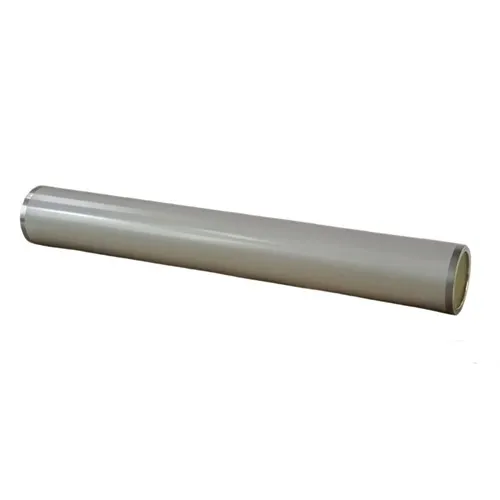
First off, let’s talk about what gravure rollers are and what they do. Gravure rollers are cylindrical printing tools used in the gravure printing process. They have tiny cells engraved on their surface, which hold ink. When the roller comes into contact with the printing substrate, the ink is transferred from the cells onto the material, creating the printed image.
Now, let’s get into the nitty – gritty of choosing the right gravure roller.
1. Consider the Printing Application
The first thing you need to think about is what you’re going to be printing. Different applications require different types of gravure rollers.
-
Packaging Printing: If you’re printing on packaging materials like plastic films, paperboard, or aluminum foils, you need a roller that can handle the specific surface characteristics of these materials. For example, plastic films are often smooth and non – porous, so you’ll need a roller with a cell structure that can effectively transfer ink onto this type of surface. A roller with a shallower cell depth might work well here, as it can provide a more even ink transfer.
-
Publication Printing: When it comes to printing magazines, newspapers, or books, the focus is on high – quality, detailed images and text. You’ll want a roller with a high resolution and a precise cell engraving. This ensures that the fine details in the images and text are accurately reproduced.
-
Textile Printing: Textiles have a different surface compared to paper or plastic. They’re porous and can absorb ink. So, a gravure roller for textile printing should have a deeper cell depth to hold more ink. This helps in achieving a rich and vibrant print on the fabric.
2. Evaluate the Cell Structure
The cell structure of a gravure roller is crucial. It determines how much ink is held and transferred.
-
Cell Depth: As I mentioned earlier, the cell depth affects the amount of ink transferred. Deeper cells hold more ink, which is great for achieving a bold and opaque print. However, if you’re printing on a delicate material, a very deep cell might cause the ink to bleed. On the other hand, shallower cells are better for printing fine details and for materials that can’t handle a large amount of ink.
-
Cell Shape: There are different cell shapes, such as pyramidal, hexagonal, and square. Each shape has its own advantages. Pyramidal cells are good for holding a large amount of ink and are often used in high – coverage printing. Hexagonal cells provide a more uniform ink transfer and are suitable for printing smooth gradients. Square cells are great for printing sharp edges and fine lines.
-
Cell Density: The number of cells per unit area, or cell density, also plays a role. A higher cell density means more cells, which can result in a more detailed print. But it also means less ink per cell, so you need to find the right balance based on your printing requirements.
3. Look at the Roller Material
The material of the gravure roller can impact its performance and durability.
- Copper: Copper is a popular choice for gravure rollers. It’s easy to engrave, which allows for precise cell structures. Copper also has good thermal conductivity, which helps in maintaining a consistent ink temperature during the printing process. However, copper is relatively soft, so it can wear out over time, especially in high – volume printing jobs.
- Nickel: Nickel – plated rollers are more durable than copper ones. They can withstand more wear and tear, making them suitable for long – run printing jobs. Nickel also provides a smooth surface, which can improve the ink transfer quality.
- Ceramic: Ceramic gravure rollers are known for their excellent hardness and chemical resistance. They’re ideal for printing with aggressive inks or in harsh printing environments. However, they’re more expensive and can be more difficult to engrave compared to copper or nickel rollers.
4. Think about the Printing Speed
The speed at which you’ll be printing is another important factor.
- High – Speed Printing: If you’re running a high – speed printing press, you need a gravure roller that can keep up. A roller with a well – designed cell structure and a smooth surface is essential. This ensures that the ink is transferred quickly and evenly, without any smudging or streaking. You might also want to consider a roller made of a more durable material, like nickel or ceramic, to withstand the high – speed operation.
- Low – Speed Printing: For low – speed printing, you have a bit more flexibility. You can focus more on achieving a high – quality print rather than speed. A copper roller might be a good choice here, as it can be engraved to create very detailed cell structures.
5. Check the Engraving Quality
The quality of the engraving on the gravure roller is what makes or breaks the print.
- Precision: The cells should be engraved with high precision. Any irregularities in the cell shape or depth can lead to uneven ink transfer and poor print quality. Look for a supplier who uses advanced engraving technology to ensure precise and consistent cell structures.
- Surface Finish: The surface of the roller should be smooth. A rough surface can cause the ink to stick unevenly, resulting in a blotchy print. A good supplier will polish the roller after engraving to achieve a smooth surface.
6. Consider the Cost
Cost is always a factor when choosing a gravure roller.
- Initial Cost: Different materials and engraving techniques can affect the initial cost of the roller. Copper rollers are generally less expensive than nickel or ceramic ones. However, you need to balance the initial cost with the long – term durability and performance of the roller.
- Operating Cost: You also need to consider the operating cost. A more durable roller might cost more upfront but can save you money in the long run by reducing the need for frequent replacements. Additionally, a roller that provides better ink transfer can reduce ink consumption, which can also lower the operating cost.
7. Look for a Reputable Supplier
Finding a reliable supplier is key to getting the right gravure roller.
- Experience: Look for a supplier with years of experience in the industry. An experienced supplier will have a better understanding of your printing needs and can recommend the right roller for your application.
- Quality Control: A good supplier will have strict quality control measures in place. They should test each roller to ensure that it meets the required standards.
- Customer Support: You want a supplier who offers good customer support. If you have any questions or issues with the roller, they should be able to provide timely and helpful assistance.
So, there you have it! These are the main factors to consider when choosing the right gravure roller. If you’re in the market for a gravure roller and need some advice, don’t hesitate to reach out. I’m here to help you make the best choice for your printing needs. Whether you’re a small – scale printer or a large – scale printing company, I can provide you with high – quality gravure rollers that are tailored to your specific requirements. Let’s have a chat and see how we can work together to improve your printing process.
Anilox Sleeve References:
- "Gravure Printing Technology" by John Smith
- "The Handbook of Printing Processes" by Jane Doe
- Industry reports on gravure printing trends
Kunshan Hanhan Co., Ltd.
We’re well-known as one of the leading gravure roller manufacturers and suppliers in China. We warmly welcome you to buy high quality gravure roller made in China here from our factory. If you have any enquiry about cooperation, please feel free to email us.
Address: No. 1093, B Zone, No. 2 Xugongqiao Rd, Huaqiao Town, Kunshan City, Suzhou, Jiangsu, China
E-mail: info@kshhroller.com
WebSite: https://www.kshh-roller.com/
