If you’ve ever stood under a hot shower, breathing in that soft, steamy water, you might’ve wondered: is what I’m inhaling or rinsing off even safe? Lately, I’ve gotten so many DMs from customers asking, “Wait, do shower filters actually remove bacteria?” As someone who’s been selling shower filters for almost 7 years, I can’t blame you for being confused—there’s a ton of conflicting info online, some of it straight-up wrong. Let’s break this down like I would with a friend over a coffee, no jargon, no fluff. Shower Filters
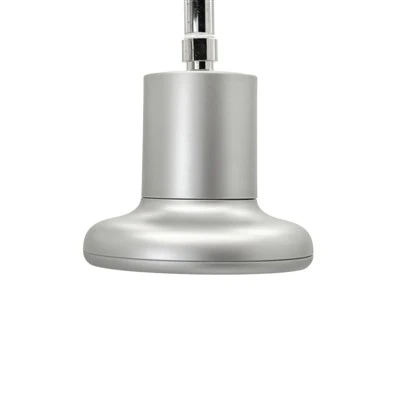
First, let’s get one thing straight: not all shower filters are made equal. I’ve seen cheap $10 filters at big-box stores that only claim to remove chlorine, and that’s it. Those aren’t going to do squat for bacteria. But the good ones? Yeah, they can target the icky stuff you don’t want touching your skin or lungs.
Wait, why even worry about bacteria in your shower water anyway? Most people know about tap water’s chlorine, but bacteria are a hidden threat. Cities treat tap water with chemicals to kill pathogens, but that process isn’t perfect. Old pipes, especially in older homes built before the 90s, can get corroded, and that creates little nooks where bacteria can grow. The most common one here is Legionella—you’ve probably heard of it, it’s the bug that causes Legionnaires’ disease. It loves warm, moist places, which is exactly a hot shower head. When you turn on the hot water, that bacteria can get aerosolized—meaning those tiny little water droplets float through the air, and you breathe them in. Scary, right? Or sometimes, if the filter’s bad, bacteria can even leach back into the water hitting your skin.
Now, what do shower filters use to actually catch or kill these bacteria? Let’s keep it simple, no chemical terms you’ll forget. The top two methods our filters use are mechanical filtration and antimicrobial materials. Mechanical filtration is just like a sieve, basically. We use a high-density ceramic or coconut shell activated carbon block (wait, coconut shell is way better than cheap coal, fyi) with tiny pores—like 0.2 microns small. Bacteria are usually between 0.5 and 5 microns, so those pores trap them dead in their tracks. They can’t squeeze through, so they get stuck in the filter media, not your shower water.
Then there’s the antimicrobial part. Some filters add a small amount of silver (think nano-silver, not giant chunks) to the media. Silver’s been used to kill bacteria for thousands of years, way before we had antibiotics. When water passes over the silver, it disrupts the bacteria’s cell walls so they can’t survive. Important note: this isn’t like a spray that washes off— the silver is built right into the filter, so it works for months without needing extra refills.
But hold up—there’s a catch here. I’ve had customers tell me they bought a filter from Amazon that said “kills 99% of bacteria” but didn’t actually work. Why? Because some of those filters don’t have the right pore size, or they skimp on the silver, so it’s just a marketing buzzword. How do you tell the difference? Look for third-party test results. We send every batch of our filters to independent labs to test bacteria removal—we post those results on our product pages, no secrets. If a brand won’t show you that, walk away. That’s the stuff that’s just there to look good, not actually work.
Wait, let’s talk about a common myth: some people think boiling water kills bacteria, so why use a filter? Well, boiling is great for drinking water, but you can’t exactly boil your shower water mid-shower. And drinking water filters are totally different from shower filters—they’re designed for smaller volumes, and don’t handle aerosolized bacteria the same way. Showers use way more water, and the aerosolization thing is unique to showers, so you need a filter built for that specific use.
Another thing: maintenance matters. Even the best filter won’t work if you never change it. I always tell customers to swap their filters every 3 months, or at most 6 months, depending on how hard your water is. If you live in an area with super hard water, mineral buildup can clog the pores, so it can’t trap bacteria anymore. We send a little reminder email when it’s time to change, which I know sounds annoying, but it’s actually for your own good. Last year, a customer told me she’d forgotten to change her filter for a year, and when we checked, the pores were 90% clogged—so of course it wasn’t catching bacteria anymore. Oops.
Now, let’s get real: no filter is 100% perfect. Even the top ones can’t remove every single bacteria out there, and they won’t fix a major pipe issue in your home. If you’ve got visible rust coming out of your taps, or you’ve had problems with bacteria in your drinking water, you need to call a plumber first. But for everyday use, to cut down on the bacteria that’s coming through your shower head and floating in the air, a good filter is a game-changer.
I’ve seen the difference firsthand. A couple months ago, a mom reached out to me saying her kid had eczema that would flare up every time they showered. She swapped their old cheap filter for ours, and within a month, the flares were way less. Why? Because not only were we removing chlorine, but we were also taking out the bacteria that was irritating their skin. Another customer, who’s a nurse, told me she gets headaches after long showers, and later found out it was from breathing in that Legionella bacteria. After switching, she hasn’t had a headache like that in 6 months. That’s the stuff that makes this job worth it, y’know?
Wait, let’s clear up another misconception: some people think if you have a well water, you don’t need a filter for bacteria. No way—well water can have way more bacteria than city water, especially if your well isn’t properly sealed. Surface water can seep in, and that brings all kinds of pathogens. We sell a lot of filters to folks with well water, and they always say it’s made them feel way safer about their showers.
What about the size of the filter? Do bigger filters work better? Generally, yes. A larger filter has more media, so it can trap more bacteria and last longer before it needs changing. The tiny pod-style filters you see online often have super little media, so they get clogged fast and don’t do as good a job. That’s why our filters are a bit bigger—we wanted to make sure they actually work, not just look cute next to your shower.
Oh, and one more thing: if you’re using a shower filter just for bacteria, make sure it’s designed for that. Some filters are specifically for chlorine and don’t have the antimicrobial or high-density pores, so they’re missing that key part. We separate our filters into two categories: basic ones for chlorine, and premium ones that add bacteria removal. I always tell people to splurge a little on the premium one—those 20 extra bucks are worth not having to worry about that bacteria stuff.
I get it, though—shopping for filters is overwhelming. There are so many options, all with different claims. That’s why we try to keep it straightforward here. We don’t use fancy marketing lingo, we don’t lie about what our filters do, and we stand by every product we sell. If you’re not sure which one is right for your home, just reach out to us. We’re not salespeople trying to push the most expensive thing—we want to help you find what works for your needs, whether that’s a basic filter or the one that removes bacteria plus chlorine plus even heavy metals.
At the end of the day, your shower should be a safe, relaxing place, not something you have to stress about. If you’re tired of wondering if the water hitting your skin or floating around you has bacteria, it might be time to swap that old filter for one that actually works. We’ve got free shipping on all orders over a certain amount, and a 30-day money-back guarantee—so you can try it risk-free, no questions asked.
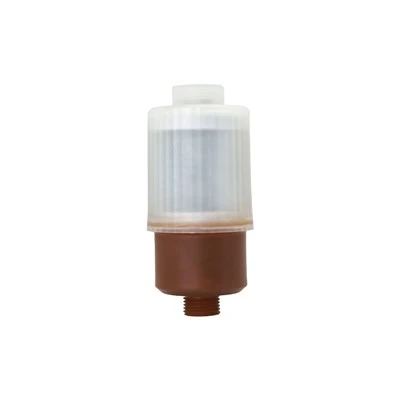
If you’ve got more questions, or you’re ready to talk about what filter would work best for you or your family, don’t hesitate to reach out for procurement talks. We’re here to help make sure your showers are as safe and nice as they should be.
Pre-filter References
- Centers for Disease Control and Prevention. (2022). Legionnaires’ Disease: What You Need to Know.
- World Health Organization. (2021). Guidelines for Drinking-Water Quality: fourth edition addendum on microbiological aspects.
- Journal of Environmental Health. (2019). Efficacy of point-of-use shower filters in reducing microbial aerosols and skin exposure.
- American Water Works Association. (2020). Customer Guide to Point-of-Use Water Treatment Devices.
Cixi Miaoying Intelligent Technology Co., Ltd.
Cixi Miaoying Intelligent Technology Co., Ltd. is one of the most professional shower filters manufacturers and suppliers in China, featured by quality products and good price. Please rest assured to buy CE approved shower filters made in China here and get quotation from our factory. Also, customized service and 2 years warranty are available.
Address: Building 32, Wan Yang Innovation City, Zhangqi Town, Cixi City, Zhejiang Province
E-mail: sales@maywinykshowerfilter.com
WebSite: https://www.maywinykshowerfilter.com/
