Hey there, if you’re running an industrial RO (reverse osmosis) system, I’m guessing you’ve dealt with enough random headaches to last a lifetime—whether that’s weird membrane performance drops, sudden pressure spikes outta nowhere, or that nasty scale buildup you can’t scrape off fast enough. As someone who’s been selling industrial RO systems for nearly a decade, the one issue I see cause way more avoidable stress than anything else is water hardness. Let’s cut the jargon and get real about how it messes things up, plus what we can do about it. Industrial RO System
First off, let’s make sure we’re on the same page about what water hardness actually is—no textbook definitions needed. Hardness is just the amount of dissolved minerals, specifically calcium and magnesium, floating around in your water. You’ve probably noticed it in your shower: that white crust on your faucet, the way your detergent doesn’t lather right, or the rings in your toilet bowl. For small residential systems, that’s an annoyance. For industrial RO? That’s a total system killer, fast. Here’s why.
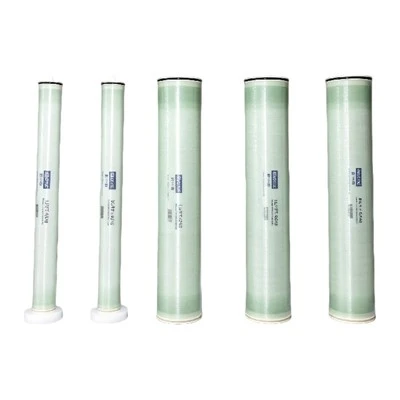
RO systems work by forcing water through a tight, semipermeable membrane that filters out 95-99% of dissolved contaminants—including those calcium and magnesium bits. But when those minerals hit the membrane surface, something weird happens: they start to crystallize. Not like sparkly, fun crystal stuff—more like that hard, gritty scale you get on a boiling pot after too many hard water tea boils. That scale doesn’t just sit there, either. It clogs the tiny pores in the RO membrane. Imagine trying to drink through a straw that’s halfway packed with cotton—you don’t get much flow, right? Same thing here. We once had a customer in the food and beverage industry who ran their RO system for three months without testing hardness. By the time they called us, their permeate flow (the clean water coming out) had dropped by 40%. They had to replace their entire set of membranes early, which ran them like $12k—total waste, because all they needed was a simple pre-treatment fix.
Wait, it’s not just flow that gets wrecked. Scale buildup also jacks up the operating pressure of your RO system. If the pores are clogged, the pump has to work way harder to push water through. That means higher energy bills—another unnecessary cost. That same food client we mentioned? Their monthly electricity bill jumped by $800 because their pump was running 24/7 at max pressure just to get the same amount of clean water they used to get at half the pressure. And if you let that pressure stay too high for too long? It can actually damage the membrane itself, making it less effective at filtering other contaminants like bacteria, heavy metals, or total dissolved solids (TDS)—which is a huge deal if you’re using that water for manufacturing, pharmaceuticals, or food processing where quality is non-negotiable.
But wait, hardness doesn’t only cause scale. There’s another issue that’s a little less talked about, but just as bad: colloidal hardness. Wait, no—let’s keep it simple. Sometimes those minerals don’t crystallize right away; they clump together into tiny, invisible particles that pass through pre-filters and hit the membrane surface too. Over time, those clumps build up into what we call “fouling”—not as hard as scale, but it’s like a thin layer of gunk that sticks to the membrane. That gunk can hold other nasties like organic matter or bacteria, leading to biofouling on top of everything else. We had a textile plant client a while back who blamed their color consistency issues on dye batches, but turns out their RO membranes were fouled with colloidal magnesium. Once they fixed the hardness treatment, the dye batches didn’t have random color streaks anymore—solved a problem they’d been fighting for six months.
Now, let’s get to the part you actually care about: how to avoid this stuff? I mean, you didn’t call us to hear just how bad hardness is, right? As an RO supplier, we don’t just sell systems—we fix the messes that happen when clients skip the basics. The good news is, hardness-related issues are totally preventable with the right pre-treatment steps, and none of them are as expensive as replacing membranes or fixing ruined production batches.
First up, water softening. That’s the classic one—ion exchange softeners that swap out calcium and magnesium for sodium (or potassium, if you’re worried about salt content for your specific use case). Wait, but don’t just go buy any softener. A lot of cheap softeners can over-swap, leading to high sodium in the feed water, which might be a problem for applications like boiler feed water or ultra-pure water for electronics. That’s where we come in—we size the softener specifically for your system’s flow rate and hardness levels, so you don’t get that side issue.
Another option for harder water is antiscalant dosing. That’s a chemical we inject into the feed water that keeps calcium and magnesium from crystallizing, even if they’re still in the water. It’s less maintenance than a softener, which is great for plants that don’t have a lot of staff to check and regenerate softener resin. We’ve used antiscalant for a brewery client with very fluctuating water hardness from their municipal supply—worked perfectly, no scale buildup, and way less hassle than a softener.
And don’t sleep on regular testing. Like, not just the TDS of the permeate (though that’s important), but testing the feed water for hardness at least once a week. We always set up free test kits for our clients when we install a system, and even give them a quick tutorial on how to use them. Too many clients wait until their flow drops or pressure spikes to test, and by then the damage is already done.
Wait, let’s also talk about what happens if you don’t address hardness. We had a power plant client a couple years back—they used RO for boiler feed water, so even tiny amounts of hardness were a huge risk. They ran their system for 18 months without any pre-treatment for hardness, and scale built up so bad in their pressure vessels that they had to shut down a whole unit for 72 hours to do a chemical clean. That downtime cost them millions in lost power generation. Hardness isn’t a minor issue—it’s a production downtime issue, a cost issue, a quality issue.
I get it, when you’re focused on keeping the plant running, checking water hardness can fall to the bottom of the to-do list. But here’s the thing: it’s way cheaper to test your water, add a simple pre-treatment step, or do a membrane clean on schedule than it is to replace membranes, deal with downtime, or scrap a whole batch of product. As an RO supplier, our whole goal isn’t just to sell you a system—it’s to make sure that system runs as efficiently and long as possible. We don’t cut corners on pre-treatment recommendations because we’ve seen the other side of cutting corners, and it’s not pretty.
If you’re noticing any of these issues—flow dropping, pressure going up, random membrane failures, or weird quality issues in your product that uses RO water—reach out. We can come test your feed water, take a look at your current system, and give you a tailored solution that fits your budget, not a one-size-fits-all fix. You don’t have to deal with the stress of scaling, fouling, or wasted money alone.
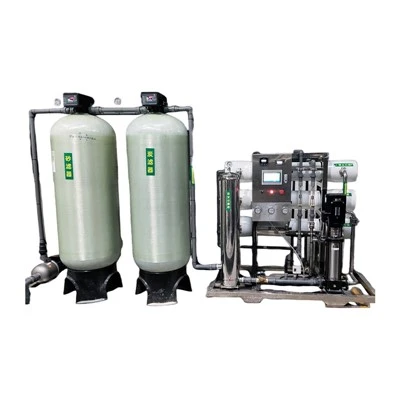
At the end of the day, industrial RO systems are a big investment, and you want that investment to pay off for years, not just a few months. Hardness is one of those variables that’s totally within your control—you just have to know how to handle it. We’ve helped hundreds of clients across different industries fix their hardness-related RO issues, and we can help yours too. So if you’re tired of throwing money at preventable problems, hit us up to start the conversation. Let’s get your system running smooth, no headaches, no wasted cash.
Commercial RO System References
- Water Quality & Treatment: A Handbook on Drinking Water, American Water Works Association, 6th Edition
- Reverse Osmosis Design and Application Manual, Evoqua Water Technologies
- Industrial Membrane Technology: Applications and Performance, CRC Press, 2nd Edition
- Hardness Effects on Reverse Osmosis Membrane Fouling, Journal of Membrane Science, Vol. 320, No. 1-2, 2008
- Industrial Water Treatment for Power Plants, McGraw-Hill Professional, 2nd Edition
Fujian Huamo Technology Co., Ltd.
Fujian Huamo Technology Co., Ltd. is one of the most professional industrial ro system manufacturers and suppliers in China, featured by quality products and good service. Please rest assured to wholesale the best industrial ro system made in China here and get price list from our factory. Contact us for custom service and OEM service.
Address: No.6 Hengtong Rd, Shanmei Village, Xiamei Town, Nanan City, Fujian Province, China
E-mail: info@huaromembrane.com
WebSite: https://www.hmromembrane.com/
