If you’ve ever binge-watched a Scandinavian home decor haul on TikTok or scrolled Pinterest boards labeled “cozy hygge vibes,” you know that style is all about that light, airy, uncluttered feel—right? White or pale wood walls, minimal trim, no flashy textures, just that calm, “I woke up on a Sunday and didn’t spill coffee on the rug” energy. But here’s the thing I hear all the time from homeowners and interior designers: “Wall panels? Aren’t those for modern farmhouse or industrial spaces? They clash with Scandinavian style.” Other Wall Panels
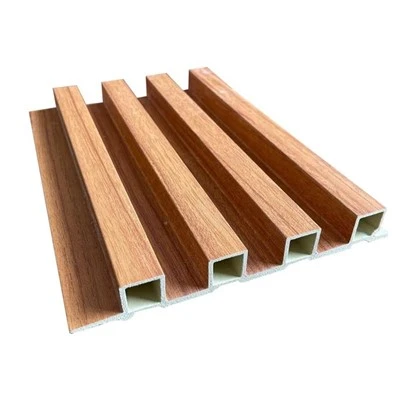
As someone who’s been supplying other wall panels (think: wood slats, textured gypsum panels, even lightweight bamboo panels—nothing bulky or fussy) for years, I get the hesitation. I’ve seen so many people rule out panels entirely because they think they’ll make a home feel too busy, too warm, or just not that sleek Nordic vibe. But what if I told you that not all wall panels are created equal? The key is picking the right ones—not the heavy, dark, shiplap that you see on Fixer Upper reruns, but panels that play by Scandinavian rules.
Let’s break this down, because it’s not just about “do they fit”—it’s about how they fit, and why they might be the secret upgrade your Scandinavian home is missing.
First, let’s recap the core rules of Scandinavian design, because you can’t talk about if something fits without knowing what it’s supposed to do. Scandinavian style (especially the Danish hygge-infused version that’s huge right now) is rooted in three big things: functionality, natural light, and minimalism. No clutter, no overly ornate details, materials that feel organic (not manufactured within an inch of their life), and spaces that look lived-in but still feel intentional. It’s about more than just white walls—its about making a small space feel bigger, a dark corner feel brighter, and your home feel like a warm hug without all the frills.
Now, here’s the myth people buy into: wall panels equal “busy.” But if you’re using other wall panels that are thin, linear, and neutral-toned? They do the exact opposite. Let’s take wood slat panels, for example. A lot of people think slats are bold, but Scandinavian slats are usually spaced evenly, 1-2 inches apart, not tight enough to feel like a fence. I’ve had designers use them in small city apartments in Stockholm where white walls made the space feel flat—slat panels added texture without covering up any light, and they made the wall feel like a feature, not a distraction. I once worked with a client in Oslo who swapped her plain living room walls for 10-foot-tall light oak slat panels, and she told me it turned a room that felt “cold and clinical” into one where she actually wanted to sit with her morning coffee. The slats catch the soft Nordic light (which is limited in winter, let’s be real) and create tiny, subtle shadows that feel cozy, not messy.
Another big one: gypsum panels with a matte, fine texture. Not the rough, stucco-like stuff you see in Mediterranean homes—Scandinavian gypsum panels are smooth, almost velvety, and painted a crisp off-white or pale gray. I’ve supplied these to designers in Copenhagen who wanted to add a tiny bit of depth to their bedroom walls without straying from the neutral palette. The key here is that they’re not flashy; they just add a soft backdrop that makes your furniture and decor (which is usually minimal—like a leather couch, a few ceramic mugs, a potted fiddle leaf fig) stand out. No more white walls that make your small rug get lost, no more plain walls that feel like they’re begging for something. These panels do that something without overwhelming the space.
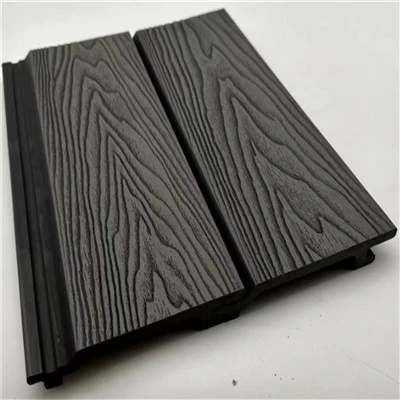
Wait, but what about darker materials? I get it—Scandinavian style is known for light wood floors, white ceilings. But I’ve worked with clients who added a small feature wall with dark ash panels (thin, not thick timber) in their home offices, and it worked perfectly. Why? Because Scandinavian design isn’t all 100% light—it’s about balance. A dark feature wall in a room with white walls and light wood floors adds depth without being overwhelming. I had a freelancer in Gothenburg reach out to me last year who wanted to make his home office feel more focused (he works from home, and plain white walls made him distracted) so he added a 8-foot tall dark ash panel on the wall behind his desk. He told me it was the perfect amount of “not boring” without making the small room feel smaller. The trick here is keeping the panel only on one wall, not every wall—rule number one for wall panels in Scandinavian spaces: don’t cover the whole room.
Now, let’s talk about practical stuff—because Scandinavian design is all about functionality, not just looks. A lot of people avoid wall panels because they think they’re hard to install, or they’re not good for small spaces. But the other wall panels I supply? Most are lightweight, interlocking, and you can install them in a weekend with just a nail gun and a level. No need to hire a contractor, which saves money and time—something that’s huge for homeowners who don’t want their renovation to turn into a 6-month project. Also, for renters? I’ve had people use temporary peel-and-stick panels (yes, we make those too!) that you can take down without damaging the walls. That’s a game-changer for people who love Scandinavian style but can’t paint or drill holes in their apartment walls.
I also need to address the “but I thought Scandinavian is about no texture” crowd. Let’s be real—Scandinavian design has evolved a lot in the last 10 years. It’s not just the 90s white wall and pine furniture vibe. Now, it’s about mixing soft textures: a knit throw, a wool rug, a linen curtain. Wall panels are just another texture, and they tie the room together. I’ve seen so many spaces where the couch is leather (smooth), the rug is wool (fuzzy), and the walls are plain drywall—there’s no flow. Add a subtle panel, and suddenly the textures complement each other instead of fighting. It’s not about busy—it’s about cohesive.
Don’t get me wrong—there are wall panels that don’t fit. The heavy, dark shiplap that’s 6 inches wide? That’s not Scandinavian. The bright, patterned panels that look like they belong in a 70s rec room? Nope. The key is sticking to linear, thin, neutral tones (light oak, pale gray, white, soft ash) and keeping them as a feature, not the main event. I always tell clients: if you can stand in the room and not notice the panels at first, that’s a win. They should feel like part of the wall, not a separate thing.
So, what does this mean for you? If you’re renovating your Scandinavian home, don’t write off wall panels entirely. They’re not just for other styles anymore. They can add texture, depth, and functionality without straying from that calm, cozy vibe you love. Whether you’re looking for a permanent feature wall in your living room, a temporary upgrade for your rental bedroom, or something to make your small apartment feel bigger, there’s an other wall panel that fits.
At the end of the day, design is about making your home feel like you. If plain white walls feel too flat, if you miss that subtle warmth that Nordic spaces have in winter, wall panels might be exactly what you need. I’ve been in this business for years, and I’ve seen too many people stick to the “no panels” rule out of habit, when they could have a home that’s both true to Scandinavian style and feels personal.
If you’re curious about what other wall panels would work for your space—whether you’re a homeowner, a designer, or a renter—reach out. We can chat about your layout, your color palette, and what kind of vibe you’re going for, no pressure. We don’t do pushy sales, we just want to help you find something that fits your home, not the other way around.
WPC Wall Panel Reference:
- "Scandinavian Design: Origins and Core Principles", by the Danish Design Association, 2022.
- "Textural Elements in Modern Nordic Interiors", Journal of Interior Design, Vol. 48, No. 2, 2023.
- "Wall Panel Trends for Small Urban Spaces", Home Improvement Research Institute, 2024.
Shandong Dowell Decorative Material Co., Ltd.
With abundant experience, we are one of the most professional wall panels manufacturers and suppliers in China. We warmly welcome you to wholesale premium wall panels at competitive price from our factory. If you have any enquiry about cooperation, please feel free to email us.
Address: Room 913, 9th Floor, International Trade Service Center, No. 100 Lingong Road, Comprehensive Bonded Zone, Chaoyang Street, Yihe New District, Linyi City, Shandong PR, China
E-mail: info@dowellpanel.com
WebSite: https://www.dowellspcfloor.com/
