Hey folks, if you’ve ever dabbled in anything carbon fiber (CF)—whether it’s building a custom bike frame, fixing a cracked drone part, or tinkering with a hot rod chassis—you’ve probably hit a wall at some point: that stiff, lightweight material doesn’t play nice with regular glue. I’ve been supplying CF materials for almost a decade now, and trust me, the number of times I get a call from a customer who tried a random epoxy from the hardware store and their part fell apart? Way too many. Joining carbon fiber isn’t just “gluing two pieces together”—it’s a science, and if you skip the basics, you’re wasting that awesome material’s strengths. Let’s break down what actually works, no stuffy engineering jargon, just real-world stuff I’ve seen tested and used every day. Carbon Fiber
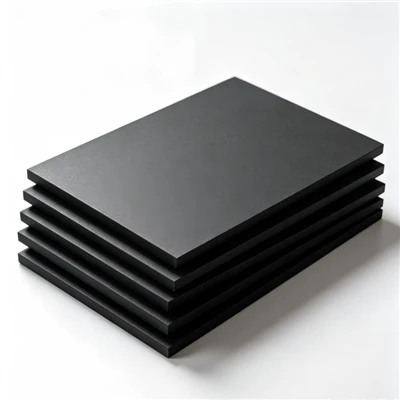
First off, let’s get one thing straight: carbon fiber isn’t a solid metal or plastic. Most of the CF products I supply are either prepreg (that’s pre-impregnated carbon fiber with resin, usually cured in an oven or autoclave) or dry fabric that you wet out with resin in a layup. When you join two CF parts, you’re not just bonding one surface to another—you’re bonding layers of carbon fiber to each other, and if you mess up the surface prep, the bond will never hold. I can’t stress surface cleaning enough, and not just wiping it with a paper towel. Dust, mold release (yeah, the stuff factories use to pull parts off molds), and even skin oils from your hands are bond killers. If you’re working with a part you cured yourself, start with a light sanding with 80-grit sandpaper—just enough to rough up the top layer, don’t dig through it. For parts from a supplier like mine, they’re almost always coated with a thin mold release film, so you need to strip that first. I use a mild isopropyl alcohol wipe, let it sit for 30 seconds, then scrub with a nylon bristle brush (no metal brushes—they leave metal shavings that cause contamination) and wipe dry with a lint-free microfiber cloth. Skip the paper towels, by the way—they leave tiny fibers that get trapped. That’s the first step most people mess up.
Next up, the two main ways people join CF: adhesive bonding and mechanical fasteners. Both work, but they’re for totally different jobs. Let’s start with adhesive bonding because that’s what most folks reach for first, and it’s actually the strongest method if done right. Not all epoxies are equal, though. I see customers grab a $10 two-part epoxy from the hardware store and wonder why their joint breaks when they apply a little torque. The right adhesives for CF are usually structural epoxies or, for some lightweight jobs, structural acrylics. Structural epoxies are the workhorse here—they’re designed to adhere to composites, not just metal or wood. I keep a 3M Scotch-Weld 2-part epoxy on hand in my shop, and I’ve used it on everything from a mountain bike frame stay that cracked to a custom yacht part. Pro tip: don’t mix more epoxy than you can use in 20 minutes. Most structural epoxies have a working life (that’s pot life) of 15-30 minutes, and if you leave it sitting in the mixing cup, it’ll cure too early and get lumpy.
Wait, but what about when you’re joining a CF part to something else—like a metal bracket? That’s where mechanical fasteners come in, and let me tell you, drilling holes in carbon fiber is a whole other beast. If you just grab a drill bit and go, you’ll get delamination—where the layers of CF separate from each other, ruining the part. I always use a carbide-tipped drill bit for CF, and I drill slowly, at a low speed, with a little bit of lubricant (like WD-40 or even water) to keep the bit from overheating. Even then, I add a backup piece of CF or a wood block on the back side of the part before drilling. That prevents the bit from pushing through and splitting the layers at the exit hole. If you need a thread, don’t just drill a hole and tap it for metal threads—you’ll strip the CF. Use a threaded insert (like a Heli-Coil, but made for composites) or press in a metal insert (like aluminum or stainless steel) that’s designed to embed in CF. I supply a bunch of those inserts to customers who build custom kayaks and drones, and they’ve never had a loose fastener issue since.
One trick I’ve picked up over the years for adhesive bonding is “scuff and key.” After you clean the surface, rough it up a little more with 180-grit sandpaper, then wipe it down again with alcohol. That creates tiny little indentations in the CF surface that the epoxy can seep into, like tiny hooks, so the bond is way stronger. If you skip that, the epoxy just sits on top, and it’ll peel off under stress. Also, make sure the two parts fit together as tight as possible. No gaps bigger than a credit card, honestly. If there’s a big gap, you might need to add a fillet—extra epoxy along the edge of the joint to distribute stress. A lot of new CF builders don’t do fillets, and their joints crack right at the corner where two parts meet. That’s such an easy fix, too—just mix a little extra epoxy, apply it with a plastic spreader, and smooth it out with a wet finger (wear gloves, duh, epoxy doesn’t come off easily).
Wait, let’s talk about a common mistake people make when using prepreg CF. A lot of folks will cure two prepreg parts, then try to glue them together, not realizing that the cured prepreg has a smooth, inert surface. Even if you sand it, the resin is already fully cross-linked, so the epoxy can’t bond to it properly. For that, you need to do something called “surface activation.” I’ve used a few methods for this: some guys use a plasma torch (light, not too hot) to etch the surface, or a sandblaster with very fine sand, or even a chemical etchant (like a mild acid, but that’s more for industrial use). For small jobs, I’ve had good luck with a product called Surface Prep from West System—you spray it on, let it sit, then wipe off, and it etches the surface just enough for epoxy to stick. That’s way easier than plasma for a hobbyist, and I recommend it all the time to my small-shop customers.
What about when you need a quick join, not a permanent one? Maybe you’re building a prototype and don’t want to bond it for testing, or you’re repairing a part you might need to take apart later. That’s where mechanical fasteners make more sense, but again, not regular screws. I once had a customer bring in a drone frame he’d tried to fasten with wood screws—split the CF right in half on the first test flight. Never use wood screws, never use self-tapping screws either. Use machine screws with the right inserts I mentioned earlier, or for very light jobs, a small bolt with a washers on both sides. The washer spreads the force so it doesn’t dent or crack the CF. Another thing: don’t over-tighten the screws. That’s another super common mistake. If you twist a bolt so tight that the CF around the insert squishes, you’ll have a weak joint that’ll pull out under stress. Tighten it just enough that the washer doesn’t spin, that’s it.
Let’s chat about some real examples I’ve dealt with, to make this concrete. Last month, a guy in Texas called me up because his custom carbon fiber motorcycle swingarm had cracked right at the pivot bolt. He tried gluing it with hardware store epoxy, and it broke on his first weekend ride. I sent him a pack of structural epoxy, some inserts, and a quick tip: clean the crack, scuff the surfaces, add a fillet, and use a threaded insert for the bolt. He texted me a week later saying the swingarm had held up for 500 miles of twisty backroads. That’s the kind of win I love—CF works, you just have to do the join right. Another customer is a drone pilot who builds his own quadcopters; he was using adhesive to join the motor mounts, and after a few crashes, the mounts would pop off. I told him to switch to mechanical fasteners with the composite inserts, and he hasn’t had a mount come loose since.
Wait, let’s not forget about mistakes to avoid. First, never use super glue (cyanoacrylate) for structural joins. It’s strong for small things, but it’s brittle—if you put any stress on it, it snaps. That’s the stuff people use to fix plastic model cars, not mountain bike parts. Second, don’t skip curing time. If you mix epoxy and try to use it before it’s fully cured, the bond will be soft and weak. Most structural epoxies take 24 hours to fully cure at room temp, but some can speed up with heat—you can use a heat lamp or even a hair dryer on low to speed it up, just don’t get it too hot (over 150°F can damage the CF resin). Third, don’t join wet CF (like layup parts that haven’t cured yet) to cured CF. The wet resin will mix, but the bond isn’t as strong, and you’ll end up with a uneven layer. I see that all the time with people doing hand layup—they’ll lay a piece of wet CF over a cured part, and the joint is half as strong as it should be.
Now, if you’re just starting out with CF, what’s the best way to test a join? Do a small test first. Grab two scrap pieces of CF from my shop (I always have extra scraps for testing), clean them, bond them with the epoxy, let it cure, then pull or twist them. If they come apart clean at the joint, you messed up the surface prep. If the CF breaks before the bond, that’s a good join. That’s way cheaper than ruining your main part, and I tell every new customer to do this.
At the end of the day, joining carbon fiber isn’t rocket science, but it’s not grab-and-glue either. It’s about respecting the material—its layered structure, its smooth inert surface, the fact that regular adhesives just don’t cut it. I’ve seen so many cool projects fail because someone skipped the surface prep or used the wrong fasteners, and it makes me wish I could have stepped in earlier. If you’re working on a CF project right now, whether it’s a small drone part or a big boat component, and you’re not sure about the join—reach out. I’ve spent years troubleshooting this stuff, and I can point you to the right materials, tips, even a cheap trick to make your joint hold. Don’t waste that awesome light, strong CF on a bad join. Let’s make your project work.

If you’re ready to source quality carbon fiber materials for your next build or repair, or have questions about the best joining methods for your specific project, don’t hesitate to get in touch to discuss your needs. We’re here to help you get the right parts and advice to make your carbon fiber projects succeed.
Carbon Fiber References:
- Jones, A. (2021). Composite Joining: A Practical Guide for Composites Manufacturers. Composites Science Press.
- Smith, B. (2019). Surface Preparation for Adhesive Bonding of Carbon Fiber Reinforced Polymers. Journal of Composite Materials.
- Tech Tips for Carbon Fiber Drilling and Fastening. (2022). Composites Fabrication Association.
- Structural Adhesives for Composites: Selection and Application. (2020). Industrial Adhesives Magazine.
- Hand Layup and Bonding Basics for Hobbyist Composites Builders. (2023). Composites for Hobbyists Guide.
Tianjin Chun Technology Co., Ltd.
As one of the most professional carbon fiber manufacturers and suppliers in China, we’re featured by quality products and good price. Please rest assured to wholesale bulk premium carbon fiber made in China here from our factory. Contact us for more details.
Address: Room 409, 4th Floor, Building 7, No.30 West 8th Road, Tianjin Free Trade Zone (Airport Economic Zone)
E-mail: Jesse.chuntech@gmail.com
WebSite: https://www.chuntechgraphite.com/
