How to ensure the hygiene of scale beer equipment?
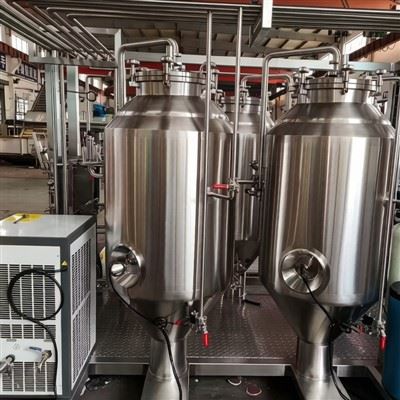
Hey there, beer enthusiasts and fellow brewers! I’m a supplier of scale beer equipment, and I know firsthand how crucial it is to keep your gear clean and hygienic. Let’s face it, brewing great beer isn’t just about the ingredients and the recipe; it’s also about ensuring that your equipment is spick – and – span. Bad hygiene can lead to off – flavors, spoilage, and a whole lot of disappointed customers. So, let’s dive into some practical steps to ensure the hygiene of scale beer equipment. Scale Beer Equipment
1. Understanding the Importance of Hygiene
Before we get into the nitty – gritty of cleaning, let’s talk about why hygiene is so important in the beer brewing process. Beer is a living product, and it’s made up of water, yeast, hops, and malt. These ingredients create a perfect environment for microorganisms to grow. If your equipment isn’t clean, bacteria, wild yeast, and other contaminants can sneak in and mess up your brew.
For example, lactic acid bacteria can turn your beer sour, while acetobacter can produce vinegar – like flavors. No one wants to drink a beer that tastes like a science experiment gone wrong! So, by keeping your equipment clean, you’re protecting the quality and taste of your beer.
2. Pre – Brew Cleaning
Disassembly
The first step in pre – brew cleaning is to disassemble your scale beer equipment. This includes taking apart fermenters, kegs, hoses, and any other components. Disassembly allows you to access all the nooks and crannies where dirt and bacteria can hide. Make sure to label the parts as you take them apart, so you know where everything goes when it’s time to put the equipment back together.
Rinsing
Once you’ve disassembled your equipment, give it a good rinse with hot water. This helps to remove any loose debris, such as hops, grains, or yeast. You can use a hose or a pressure washer for larger equipment, but be careful not to damage the parts.
Cleaning Agents
After rinsing, it’s time to use a cleaning agent. There are several types of cleaning agents available for beer equipment, including alkaline cleaners, acid cleaners, and sanitizers.
Alkaline cleaners are great for removing organic matter, such as proteins and starches. They work by breaking down these substances into smaller, more soluble components that can be easily rinsed away. Some common alkaline cleaners include sodium hydroxide and potassium hydroxide.
Acid cleaners, on the other hand, are used to remove mineral deposits, such as calcium and magnesium. These deposits can build up over time and affect the performance of your equipment. Citric acid and phosphoric acid are popular choices for acid cleaning.
Sanitizers are used to kill any remaining bacteria and other microorganisms on the equipment. There are different types of sanitizers, such as iodine – based sanitizers, chlorine – based sanitizers, and peroxyacetic acid sanitizers. Make sure to follow the manufacturer’s instructions when using sanitizers, as different products have different contact times and concentrations.
Scrubbing
In addition to using cleaning agents, you may need to scrub the equipment to remove stubborn dirt and stains. For small parts, you can use a brush with stiff bristles. For larger surfaces, a sponge or a cloth may be sufficient. Make sure to scrub all the surfaces thoroughly, including the inside of fermenters, the walls of kegs, and the inside of hoses.
3. During – Brew Hygiene
Monitoring
Even after you’ve cleaned your equipment before brewing, it’s important to monitor the hygiene during the brewing process. Keep an eye on the temperature, pH, and specific gravity of the beer. Any sudden changes in these parameters could indicate a contamination problem.
Aseptic Techniques
When transferring the beer from one vessel to another, such as from the fermenter to the keg, use aseptic techniques. This means keeping the equipment as clean as possible and avoiding contact with the outside air. You can use a closed – loop system with a hose and a clamp to transfer the beer without exposing it to the environment.
Hand Hygiene
Don’t forget about your own hands! Wash your hands thoroughly with soap and water before handling the beer or the equipment. You can also wear disposable gloves to prevent the transfer of bacteria from your hands to the beer.
4. Post – Brew Cleaning
Immediate Rinse
As soon as you’ve finished brewing, give your equipment an immediate rinse with hot water. This helps to prevent the beer from drying on the equipment and becoming more difficult to clean later.
Deep Cleaning
After the immediate rinse, it’s time for a deep cleaning. Follow the same steps as the pre – brew cleaning, including disassembly, rinsing, using cleaning agents, and scrubbing. Pay special attention to any areas where beer has been sitting for a long time, as these areas are more likely to have a buildup of bacteria and other contaminants.
Drying
Once you’ve cleaned and rinsed your equipment, make sure to dry it thoroughly. Moisture can promote the growth of bacteria, so it’s important to remove all the water from the equipment. You can use a clean cloth to dry the equipment, or you can let it air dry in a clean, well – ventilated area.
5. Regular Maintenance and Inspections
Preventive Maintenance
In addition to cleaning, regular maintenance of your scale beer equipment is essential for maintaining hygiene. This includes checking for leaks, replacing worn – out parts, and lubricating moving parts. By keeping your equipment in good working condition, you can reduce the risk of contamination.
Inspections
Regular inspections of your equipment are also important. Look for signs of wear and tear, corrosion, and damage. If you notice any problems, address them immediately. You may need to replace parts or even the entire equipment if the damage is severe.
6. Training Your Staff
If you have employees who work with your scale beer equipment, it’s important to train them on proper hygiene practices. Make sure they understand the importance of cleaning, the correct use of cleaning agents and sanitizers, and the proper procedures for handling and maintaining the equipment.
Regular training and refresher courses can help to ensure that your staff is up – to – date on the latest hygiene standards and best practices.
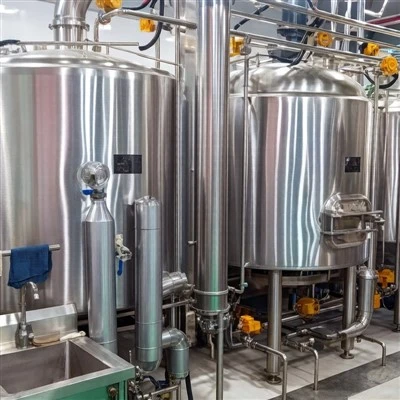
In conclusion, ensuring the hygiene of scale beer equipment is a multi – step process that requires attention to detail and regular maintenance. By following these steps, you can produce high – quality beer that is free from contaminants and tastes great.
Fermentation System If you’re in the market for scale beer equipment or have any questions about keeping your existing equipment clean, don’t hesitate to reach out. We’re here to help you every step of the way and ensure that your brewing operation runs smoothly and produces top – notch beer.
References
- American Society of Brewing Chemists (ASBC) – Standard Methods for the Analysis of Malt and Beer
- Brewers Association – Best Practices for Small – and Medium – Sized Craft Breweries
- Institute of Brewing and Distilling (IBD) – Hygiene in Brewing: Principles and Practice
Wenzhou Jinggong Machinery Equipment Co., Ltd.
We are one of the most professional scale beer equipment manufacturers and suppliers in China. With abundant experience, we warmly welcome you to buy customized scale beer equipment at competitive price from our factory. If you have any enquiry about quotation, please feel free to email us.
Address: No.Jiadi Industrial Zone, Yaoxi Town, Longwan District, Wenzhou City, China.
E-mail: jinggong2026@163.com
WebSite: https://www.jg-ind.com/
