What is the service life of wear-resistant parts? Wear Resistant Parts
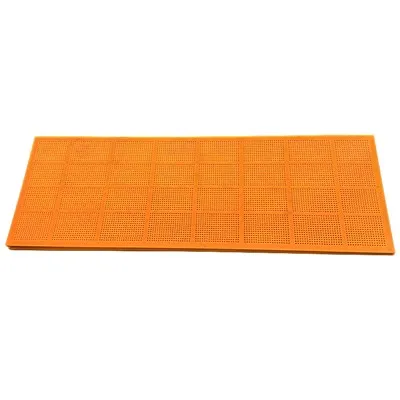
As a supplier of wear-resistant parts, I’ve been frequently asked about the service life of our products, and it’s not an easy question to answer simply. Wear-resistant parts are widely used in various industries, from mining and construction to manufacturing and transportation. Their service life is influenced by a multitude of factors, each playing a crucial role in determining how long these parts can effectively function in a given application.
Understanding Wear-Resistant Parts
Before delving into the service life, it’s essential to understand what wear-resistant parts are. These are components designed to withstand the abrasive forces that occur during normal operation. They are usually made from high-strength materials such as special alloys, ceramics, or composite materials. The key feature of these parts is their ability to resist wear, which can include abrasion, erosion, and impact.
Factors Affecting the Service Life of Wear-Resistant Parts
1. Material Quality
The quality of the material used in manufacturing wear-resistant parts is perhaps the most fundamental factor. High-quality materials have better resistance to wear, corrosion, and high temperatures. For example, parts made from high-chromium white cast iron are known for their excellent abrasion resistance. This type of material contains a large amount of chromium carbide, which forms a hard phase that can effectively resist the abrasion of particles. On the other hand, parts made from lower-quality materials may wear out much faster, leading to frequent replacements and increased costs for the end – user.
2. Operating Conditions
The environment in which the wear-resistant parts operate has a significant impact on their service life. In a mining application, for instance, the parts are exposed to harsh abrasive materials such as rocks and minerals. The size, hardness, and shape of these abrasive particles can all affect the wear rate. Larger and harder particles tend to cause more severe wear compared to smaller and softer ones. Additionally, the operating temperature and humidity can also influence the performance of wear-resistant parts. High temperatures can cause the material to soften and lose its hardness, while high humidity can accelerate corrosion, especially in metal parts.
3. Installation and Maintenance
Proper installation is crucial for ensuring the optimal performance and service life of wear-resistant parts. If the parts are not installed correctly, they may be subject to uneven stress, which can lead to premature wear. For example, improper alignment of a conveyor belt can cause excessive wear on the conveyor rollers. Regular maintenance is also essential. This includes cleaning, lubrication, and inspection of the parts. By removing dust and debris and ensuring proper lubrication, the wear rate can be significantly reduced. Moreover, regular inspections can help detect any signs of wear or damage early on, allowing for timely replacement or repair.
4. Design of the Part
The design of the wear-resistant part itself can affect its service life. A well-designed part takes into account the specific operating conditions and forces it will be subjected to. For example, in a crusher, the design of the crushing chamber and the shape of the crushing teeth are important factors. A properly designed crushing chamber can ensure efficient crushing and minimize the wear on the crushing teeth. Additionally, features such as rounded edges and smooth surfaces can reduce the impact and friction between the part and the abrasive materials, thereby extending the service life.
Examples of Service Life in Different Industries
Mining Industry
In the mining industry, wear-resistant parts such as crusher liners, screen meshes, and conveyor belts are constantly exposed to high – impact and abrasive forces. In a coal – mining operation, crusher liners made from high – manganese steel can have a service life of several months to a year, depending on the hardness of the coal and the operating time of the crusher. Screen meshes, which are used to separate different sizes of particles, may need to be replaced every few weeks to a few months, as they are subject to continuous abrasion by the passing materials.
Construction Industry
In construction, wear-resistant parts are used in equipment such as bulldozers, excavators, and concrete mixers. Bulldozer blades, which are made from wear – resistant steel, can last from a few hundred hours to several thousand hours, depending on the type of soil and the intensity of use. Concrete mixer blades, which are exposed to the abrasive action of concrete, may need to be replaced every few hundred batches of concrete, depending on the composition of the concrete and the design of the mixer.
Manufacturing Industry
In the manufacturing industry, wear-resistant parts are used in various production processes. For example, in a metal – stamping plant, the dies and punches are wear – resistant parts. The service life of these parts can range from several thousand to millions of stamping operations, depending on the material being stamped, the complexity of the design, and the quality of the tool steel used.
Predicting and Extending the Service Life of Wear-Resistant Parts
Predicting the service life of wear-resistant parts accurately is challenging due to the numerous variables involved. However, by using advanced monitoring technologies and predictive maintenance strategies, it is possible to estimate the remaining service life of the parts more accurately. For example, sensors can be installed on the parts to measure parameters such as temperature, vibration, and wear rate. By analyzing the data collected from these sensors, maintenance teams can predict when the parts are likely to fail and plan for replacement in advance.
To extend the service life of wear-resistant parts, users can take several measures. First, they should choose high – quality parts that are suitable for the specific operating conditions. Second, they should ensure proper installation and maintenance of the parts. Third, they can optimize the operating conditions to reduce the wear rate. For example, in a mining operation, reducing the feed rate of the materials can reduce the impact on the wear – resistant parts.
As a wear-resistant parts supplier, we are committed to providing our customers with high – quality products and professional advice. We understand that different applications have different requirements for the service life of wear – resistant parts, and we work closely with our customers to select the most suitable materials and designs for their specific needs.
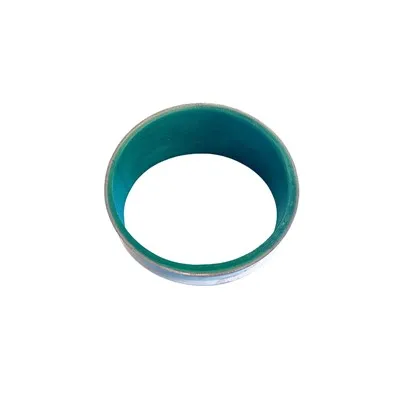
If you are interested in our wear – resistant parts and would like to discuss your requirements or have any questions about the service life of our products, please feel free to contact us. Our team of experts is ready to assist you in finding the best solutions for your business. We are confident that our wear – resistant parts can meet your high – performance expectations and help you reduce operating costs through extended service life.
Polyurethane Screen Panel References
- "Wear – resistant materials and their applications", John Wiley & Sons
- "Handbook of Tribology", CRC Press
- Industry research reports on wear – resistant parts applications in different sectors (Mining, construction, manufacturing)
Yangzhou Yaye Wire Mesh Manufacturing Co., Ltd.
As one of the most professional wear resistant parts manufacturers in China, we have world-leading production equipment and strong manufacturing capabilities. Please feel free to wholesale cheap wear resistant parts in stock here from our factory. Also, free sample is available.
Address: No. 1 Jiangjia Road, High-tech Industrial Park, Jiangdu District, Yangzhou City, Jiangsu Province
E-mail: 13952515577@163.com
WebSite: https://www.yayescreen.com/
