Hey there! I’m a supplier of Ash Blower Seals, and I’ve been in this game for quite a while. One question that often pops up is, "What is the impact of ash type on the Ash Blower Seal?" Well, let’s dive right into it. Ash Blower Seal
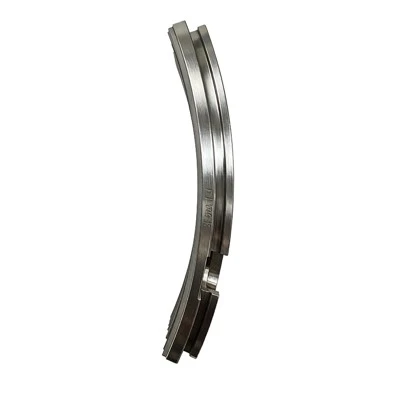
First off, we gotta understand that not all ash is created equal. There are different types of ash, and each can have a unique effect on the Ash Blower Seal. The most common types of ash we deal with are fly ash, bottom ash, and boiler slag.
Fly ash is super fine and light. It’s made up of tiny particles that can easily get into the nooks and crannies of the Ash Blower Seal. When fly ash accumulates in the seal, it can cause a few problems. For one, it can increase the friction between the moving parts of the seal. This extra friction means that the seal has to work harder, which can lead to more wear and tear over time. And if the wear gets too bad, the seal might start to leak, which is a big no – no.
Another issue with fly ash is its chemical composition. It often contains some pretty reactive elements like sulfur and chlorine. These elements can react with the materials of the Ash Blower Seal, especially if the seal is made of certain types of rubber or plastic. The chemical reactions can cause the seal material to degrade, making it less flexible and more brittle. A brittle seal is more likely to crack, and once it cracks, it’s not going to do its job of keeping the ash where it belongs.
Now, let’s talk about bottom ash. Bottom ash is coarser than fly ash. It’s made up of larger particles that are heavier. When bottom ash comes into contact with the Ash Blower Seal, the main problem is abrasion. The large, rough particles can scrape against the surface of the seal as the blower is operating. This abrasion can wear down the seal material much faster than normal. It’s like sandpaper rubbing against a piece of wood, slowly but surely wearing it away.
If the abrasion is severe enough, it can create gaps in the seal. These gaps allow ash to escape, which not only makes a mess but can also cause damage to other parts of the system. And if the bottom ash contains any sharp or jagged particles, they can even cause cuts or tears in the seal, which is a major problem.
Boiler slag is a bit different. It’s a glass – like substance that forms in the boiler. Boiler slag is usually harder and more dense than both fly ash and bottom ash. When it interacts with the Ash Blower Seal, it can be extremely tough on the seal material. The high density and hardness of boiler slag mean that it can cause significant impact and pressure on the seal.
If the seal isn’t strong enough to withstand the force exerted by the boiler slag, it can get deformed. A deformed seal won’t be able to maintain a proper seal, and that can lead to ash leakage. Also, boiler slag can sometimes have a high temperature when it comes into contact with the seal. This high temperature can further damage the seal material, especially if it’s not heat – resistant.
So, how do we deal with these different types of ash and their impacts on the Ash Blower Seal? Well, as a supplier, I’ve seen a few strategies.
One option is to choose the right seal material. For areas where fly ash is the main concern, a seal made of a chemical – resistant material might be a good idea. There are special rubbers and polymers that can withstand the reactive elements in fly ash. For bottom ash, a more abrasion – resistant material is key. Some seals are made with reinforced materials or coatings that can better handle the scraping and rubbing from the coarse particles. And for boiler slag, a heat – resistant and high – strength material is essential to prevent deformation and damage.
Another strategy is regular maintenance. No matter how good the seal material is, it’s still going to get some wear and tear over time. By regularly inspecting the Ash Blower Seals, we can catch any signs of damage early on. If there’s a small amount of wear, we can sometimes repair the seal instead of replacing it. And if the wear is too severe, we can replace the seal before it causes any major problems.
We can also optimize the operation of the ash blower system. For example, adjusting the speed and pressure of the blower can reduce the impact of the ash on the seal. If the blower is running too fast or at too high a pressure, it can cause more damage to the seal. By finding the right balance, we can extend the life of the seal and reduce the risk of ash leakage.
In my experience, understanding the type of ash in your system is crucial. It’s not just about slapping any old Ash Blower Seal in there. You need to know what you’re up against so you can choose the right seal and take the necessary steps to protect it.
If you’re in the market for Ash Blower Seals, or if you’re having problems with your current seals and need some advice, don’t hesitate to reach out. I’m here to help you find the best solution for your specific situation. Whether it’s dealing with fly ash, bottom ash, or boiler slag, we’ve got the knowledge and the products to keep your system running smoothly. So, let’s have a chat and see how we can work together to solve your ash – sealing problems.
Turbine Gland Seal References
- "Handbook of Ash Handling and Disposal"
- "Materials Science for Industrial Seals"
- "Power Plant Ash Management Best Practices"
Jiangsu Turbine Electric Power Technology Co., Ltd.
As one of the most professional ash blower seal manufacturers and suppliers in China, we have world-leading production equipment and strong manufacturing capabilities. Please feel free to buy advanced ash blower seal for sale here and get pricelist from our factory. Customized orders are welcome.
Address: Building 8, Huaqi Yungu Xuzhou Lingang Industry Accelerator, Jiawang District, Xuzhou City, Jiangsu Province
E-mail: zjh800@163.com
WebSite: https://www.cnturbine.com/
